



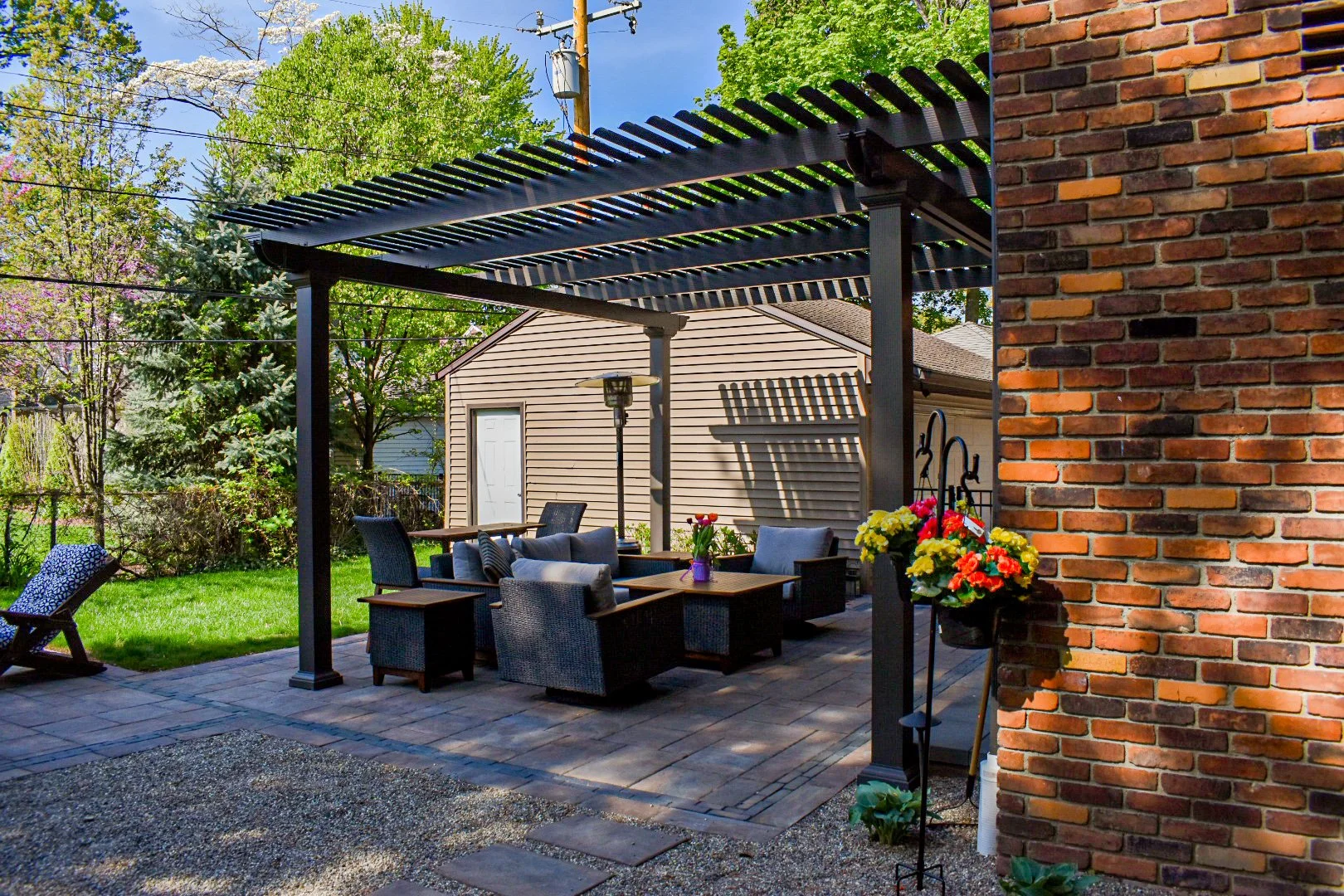
A pergola is one of the best ways to add shade, structure, and beauty to your outdoor living space — but only if it’s planned and built correctly. Many homeowners jump into the process without understanding the details that truly matter, and the result can be a pergola that doesn’t fit the space, doesn’t offer enough shade, or wears down far too quickly.
At Vicente Outdoor Living, we build pergolas with craftsmanship and long-term performance in mind. If you're thinking about adding one to your backyard, here are the biggest mistakes to avoid so you end up with a pergola you’ll love for years.
A pergola that’s too small looks out of place, and one that’s too large can overwhelm the yard.
Proper measurements make all the difference.
One of the biggest misconceptions is assuming all pergolas automatically provide full shade. Many don’t.
If shade is your priority, choose a roof style that truly delivers it.
A pergola needs the right placement to be functional and comfortable.
Choose a spot that complements your yard’s layout and daily use.
Stability is everything. A pergola that isn’t anchored correctly can become unsafe.
Professional installation ensures the structure holds up in all conditions.
Cheaper materials may look good initially but won’t hold up long-term.
The material you choose affects shade, durability, and maintenance needs.
The angle of the sun determines how much shade your pergola produces.
Sun studies can make or break your pergola design.
Homeowners often design the pergola before choosing furniture — which can create issues.
Layout planning prevents future headaches.
Lighting turns your pergola into a nighttime retreat.
Adding lighting later is more difficult and costly.
A mismatched pergola can look out of place.
Your pergola should feel like a natural extension of your home.
A pergola that’s too low feels cramped, while one that’s too tall loses its impact.
Height plays a major role in comfort and aesthetics.
If you live in an area with intense sun, humidity, or rain, material and design decisions matter.
Choosing the right material avoids long-term repairs.
Pergolas may look simple, but they require proper engineering and craftsmanship.
DIY mistakes often cost more to fix later.
A pergola should enhance your yard by adding:
Avoiding these mistakes ensures your pergola becomes a favorite part of your outdoor living space.

Tell us your vision, and we’ll design a pergola that fits your space perfectly — without the common mistakes.


