



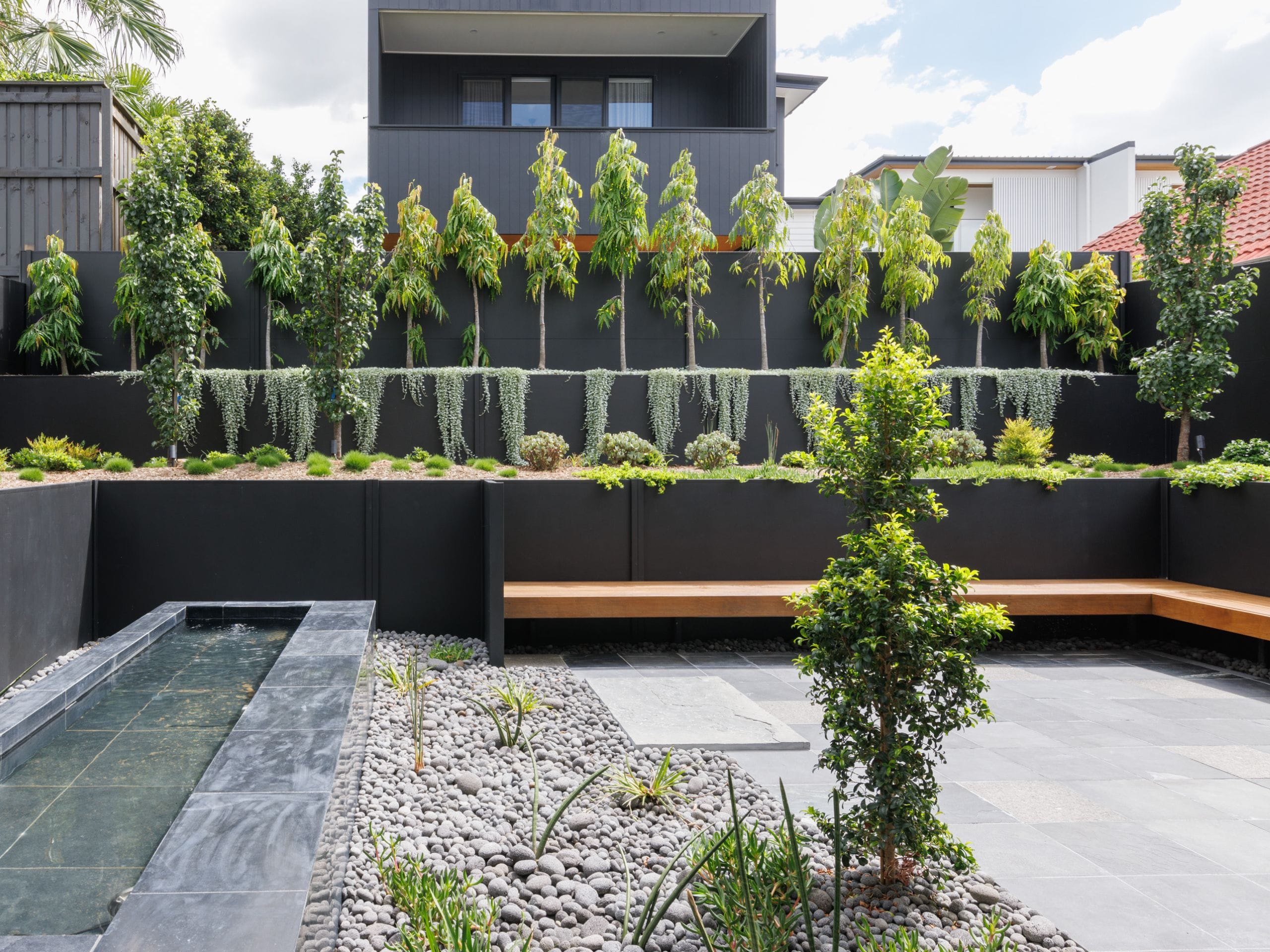
Retaining walls do more than hold soil in place — they shape your yard, add usable space, and create beautiful structure throughout your landscape. But because they deal with pressure, water, and weight, retaining walls must be designed and built correctly. When they aren’t, the results can be costly, dangerous, and frustrating.
At Vicente Outdoor Living, we build retaining walls that last — using proper engineering, drainage, and craftsmanship. If you're planning a retaining wall or worried your current one isn’t built right, here are the biggest mistakes to avoid.
The number one cause of retaining wall failure? Water pressure.
Professional walls include drainage rock, perforated pipe, and a proper outlet.
Not all retaining wall materials are designed for heavy loads.
Material choice must match wall height and soil conditions.
A retaining wall is only as strong as the base it sits on.
A stable, compacted base is essential for long-term success.
Soil pressure increases with height, moisture, and the type of soil.
Engineering matters — even for “small” walls.
Retaining walls need a slight lean into the soil to counteract pressure.
This small angle makes a big difference.
Not all blocks curve well.
Curved walls require specific block shapes and professional planning.
Many homeowners don’t realize that walls over a certain height require engineering.
Ignoring this can result in a dangerous structure.
Using soil as backfill is a common mistake.
Walls need crushed stone backfill for proper drainage and support.
Walls on slopes require more engineering.
Professional grading prevents these issues.
Even slight mistakes in leveling can grow into major issues down the line.
Precision makes a noticeable difference.
A retaining wall shouldn’t look like it was “stuck on” the yard.
Great design makes the wall feel like part of the landscape, not an afterthought.
Retaining walls look simple — but structurally, they’re anything but.
A failed retaining wall is expensive to rebuild.

Tell us your goals, and we’ll help you design a wall that’s both functional and stunning.


