
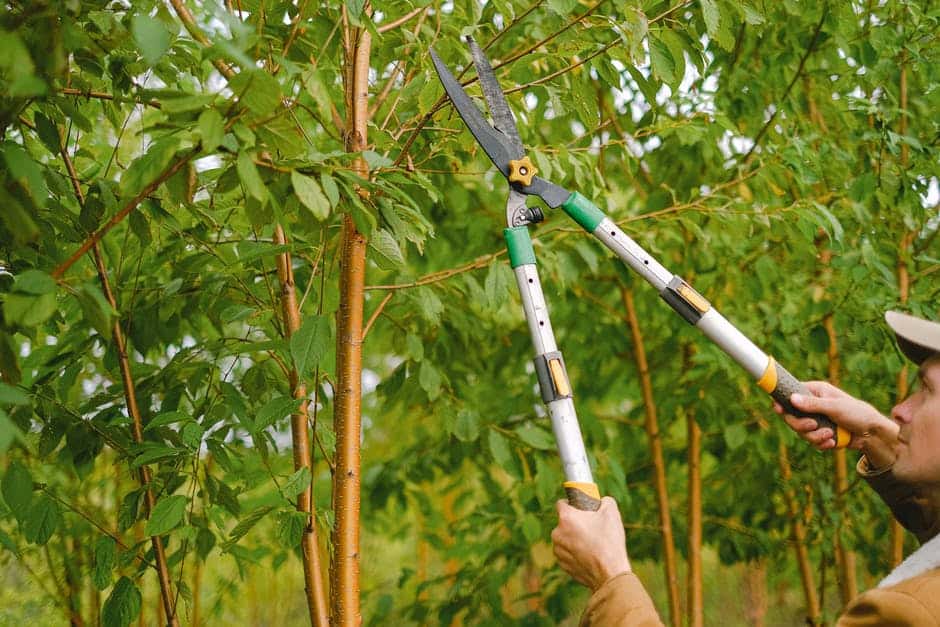
Healthy trees don’t just happen — they require the right care at the right time of year. Seasonal changes affect how trees grow, rest, and respond to stress, and understanding these cycles can help prevent costly damage while keeping your landscape looking beautiful year-round.

At Vicente Outdoor Living, we help homeowners protect their trees through proactive, seasonal maintenance. Here’s a simple, practical guide to what your trees need during each season — and why timing matters more than most people realize.

SPRING : Growth, Inspection, and Early Pruning

Spring is when trees wake up from winter dormancy and begin new growth.

Tree needs in spring include:

  • inspecting for winter damage
  • checking for pests
  • trimming broken or weak branches
  • shaping for healthy growth
  • mulching around the base

Spring is ideal for identifying problems early before the tree grows heavily.

SUMMER : Health Monitoring and Light Pruning

Summer brings heat, storms, and increased stress on trees.

Summer maintenance includes:

  • removing dead or hazardous limbs
  • trimming lightly for shape
  • ensuring proper watering
  • checking for leaf discoloration or pests
  • monitoring soil moisture

This is also when trees are fully leafed out, making structural issues easier to spot.

FALL : Major Pruning and Storm Preparation

Fall is one of the best seasons for significant pruning.

Perfect time for:

  • structural pruning
  • thinning dense branches
  • removing weak or crossing limbs
  • preparing trees for winter storms
  • clearing branches away from the home or roof

The cooler temperatures reduce stress and promote healing.

WINTER : Deep Dormant Pruning and Safety Checks

Winter is ideal for major pruning on many tree species.

Benefits of winter tree care include:

  • improved visibility of tree structure
  • reduced sap loss
  • minimal stress to the tree
  • less disease spread
  • easier access for equipment

Dormant pruning encourages strong spring growth.

Why Seasonal Tree Care Matters

Ignoring seasonal maintenance can lead to:

  • falling limbs
  • weakened trees
  • pest infestations
  • root problems
  • poor growth
  • property damage

Seasonal care prevents long-term issues and improves tree health year after year.

Common Mistakes Homeowners Make With Tree Maintenance

1. Pruning at the wrong time

Some trees react poorly to warm-season pruning.

2. Skipping annual inspections

Small issues become big problems fast.

3. Cutting too much at once

Over-pruning stresses trees and weakens their structure.

4. Letting limbs grow near roofs or power lines

This is a major safety hazard.

5. Ignoring early signs of disease

Early detection is the key to saving a tree.

How Professionals Protect Your Trees Each Season

Expert crews help by:

  • identifying structural weaknesses
  • trimming for safety and health
  • diagnosing pests or disease
  • improving canopy shape
  • removing hazardous limbs
  • advising on long-term care

Professional care is especially important for large or mature trees.

Signs a Tree Needs Immediate Attention (Regardless of Season)

Call a professional if you notice:

  • sudden leaning
  • cracked trunk
  • large dead branches
  • fungus at the base
  • hollow spots
  • exposed roots
  • limbs near power lines

These are safety risks that require urgent evaluation.

Ready To Give Your Trees the Seasonal Care They Need?

Tell us what you’re noticing, and we’ll create a tree maintenance plan tailored to your landscape.