



Walkways might seem simple, but the material you choose can completely change how your outdoor space feels and functions. The right walkway material enhances the style of your home, connects outdoor features, improves safety, and boosts curb appeal — all while holding up to weather, foot traffic, and time.
At Vicente Outdoor Living, we build walkways that aren’t just functional pathways — they’re design elements that bring beauty and structure to your yard. If you’re planning a new walkway or upgrading an old one, here’s a clear guide to choosing the right material for your home.
Before picking a material, think about where the walkway is going and how it will be used.
Common walkway uses include:
High-traffic walkways need durable materials. Decorative garden paths offer more flexibility.
Pavers are one of the most popular materials because they offer the perfect balance of durability, beauty, and customization.
Pavers fit almost any design style — from modern to classic to rustic.
Front walkways, high-traffic paths, patios, and connecting zones.
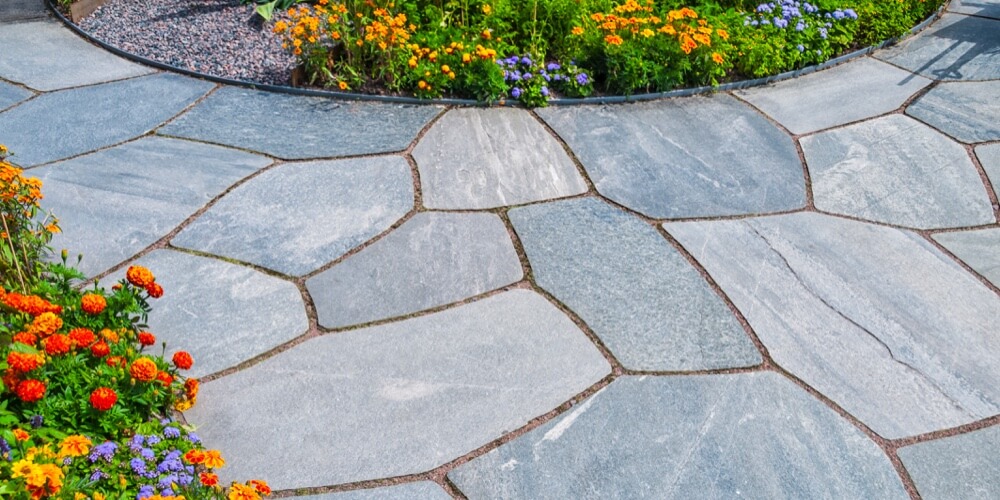
Nothing matches the elegance of natural stone. Each piece has its own color, pattern, and texture, giving your walkway character and depth.
Common natural stone choices include:
High-end landscapes, garden walkways, patios, and formal entryways.
Concrete is one of the most versatile walkway materials — and it has come a long way from plain gray slabs.
Concrete options include:
Modern homes, long walkways, pool paths, and clean, simple designs.
Stepping stone walkways add charm and character, especially in garden-heavy or informal spaces.
Stepping stones are usually spaced apart with:
Garden paths, side yards, and landscape transitions.
Gravel walkways offer a natural, relaxed look and pair beautifully with plants and boulders.
Gravel options include:
Garden paths, informal walkways, and areas where drainage is important.
Many homeowners choose to blend materials for a unique look.
Examples include:
Mixed-material walkways add personality and can help define zones in the yard.
Walkway materials respond differently to slopes and moisture.
These provide the structure and stability needed on uneven ground.
These prevent pooling and improve traction.
Every home has a style — your walkway should complement it.
Smooth concrete, large-format pavers, clean lines.
Classic pavers, brick, natural stone.
Boulders, flagstone, gravel paths.
Sleek pavers, geometric patterns, minimalistic stone.
Matching the walkway to your home helps create a cohesive look.
Every material has different maintenance needs.
Choosing the right material helps reduce long-term upkeep.
Most homeowners don’t realize the importance of walkway width.
A comfortable walkway makes your yard feel more welcoming and easier to navigate.
Lighting isn’t just practical — it elevates your entire landscape.
Options include:
Lighting improves nighttime visibility and adds ambiance.

Tell us your vision, and we’ll help you choose the ideal material and design to bring your walkway to life.


