
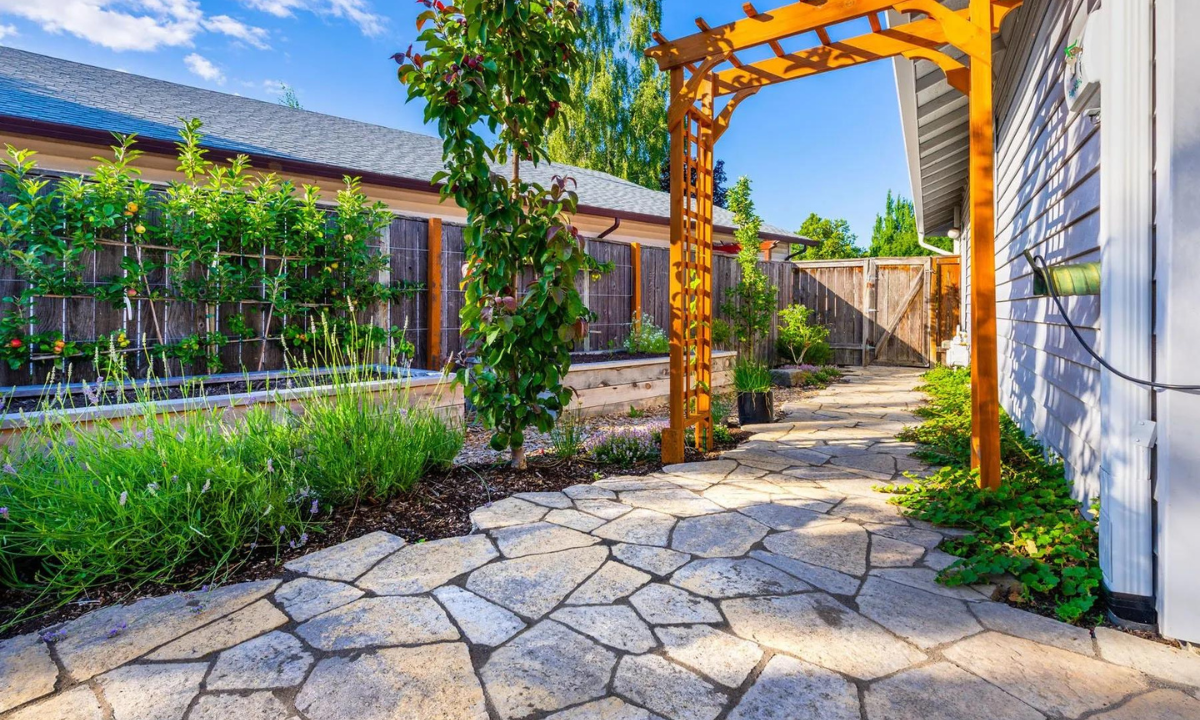
Walkways may seem simple, but choosing the right material can completely change how your outdoor space looks, feels, and functions. The wrong material can cause slipping, shifting, weed growth, or premature wear — while the right one improves safety, aesthetics, and long-term durability.

At Vicente Outdoor Living, we install walkways that enhance your landscape and stand the test of time. Before building yours, here are the most common walkway material mistakes and how to choose the best option for your yard.

1. Choosing a Material Based Only on Looks

A walkway should be beautiful — but also functional.

Important factors include:

  • foot traffic
  • climate
  • slope
  • safety
  • long-term maintenance

What looks pretty on Pinterest might not work in your actual yard.

2. Not Considering Slip Resistance

A walkway must be safe in all conditions.

Some materials become slippery when wet:

  • smooth poured concrete
  • polished stone
  • sealed surfaces without texture

Pavers or textured stone often provide better grip.

3. Forgetting About Drainage

Water can ruin a walkway if drainage is ignored.

Good walkway design should:

  • slope water away from structures
  • use permeable materials when needed
  • prevent pooling
  • protect adjacent landscaping

Drainage is just as important as the surface itself.

4. Assuming Concrete Is the Cheapest Option

Concrete seems affordable upfront, but costs can add up.

Concrete may require:

  • patch repairs
  • crack fixes
  • leveling
  • resurfacing

Sometimes pavers or gravel offer better long-term value.

5. Not Understanding the Differences Between Materials

Here’s a simple breakdown:

Pavers : Durable, Stylish, and Versatile

Benefits:

  • high durability
  • many colors and styles
  • excellent for curves
  • easy repairs

Great for patios, sidewalks, and high-traffic areas.

Natural Stone : Beautiful and High-End

Benefits:

  • unique textures
  • organic appearance
  • long lifespan
  • excellent slip resistance (depending on stone type)

Ideal for garden paths and elevated design aesthetics.

Concrete : Clean and Modern

Benefits:

  • smooth, sleek finish
  • customizable shapes
  • affordable installation

Best for modern homes or large uniform walkways.

Gravel : Affordable and Charming

Benefits:

  • easy drainage
  • natural look
  • budget-friendly
  • great for garden paths

Not ideal for steep slopes or heavy foot traffic.

Stepping Stones With Gravel : Modern and Minimalist

Benefits:

  • easy to install
  • dynamic texture
  • excellent drainage
  • customizable spacing

A popular choice for contemporary landscape designs.

6. Ignoring Freeze-Thaw Conditions

If your area experiences freeze-thaw cycles, some materials perform better than others.

Best materials for freeze-thaw durability:

  • pavers
  • natural stone
  • permeable materials

Concrete is more prone to cracking in these conditions.

7. Not Planning for Weed Prevention

Walkways placed over dirt without proper base prep quickly grow weeds.

Professionals use:

  • compacted base
  • polymeric sand
  • proper edging
  • weed barrier (only when appropriate)

This keeps walkways clean and low-maintenance.

8. Choosing a Material That Doesn’t Match Your Home’s Style

Your walkway should complement your home, not clash with it.

Design guidelines:

  • modern home → sleek concrete or large-format pavers
  • traditional home → brick, cobblestone, or natural stone
  • rustic home → irregular flagstone or boulder accents

Cohesion creates a polished look.

9. Underestimating Foot Traffic

Walkways connected to:

  • driveways
  • patios
  • side yards
  • outdoor living zones

... require more durable materials. Pavers and stone outperform gravel in high-use areas.

10. Forgetting About Maintenance Requirements

Each material has its own needs.

Low-maintenance options:

  • pavers
  • turf-lined pavers
  • natural stone
  • gravel (depending on use)

Concrete may require sealing, and gravel may need occasional refilling.

11. Not Considering Heat Retention

In sunny climates, some materials get extremely hot.

Cooler surface options include:

  • lighter-colored pavers
  • limestone
  • sandstone
  • gravel

Choosing the right material improves comfort.

12. Not Planning the Walkway Width Along With Material Choice

Material impacts perceived width.

For example:

  • large pavers make the walkway look wider
  • small stones can feel cramped
  • gravel edges soften the borders

Material and width should be chosen together.

Ready To Build a Walkway That Looks Beautiful and Performs Even Better?

Tell us your vision, and we’ll design a walkway with the perfect materials for your home.