



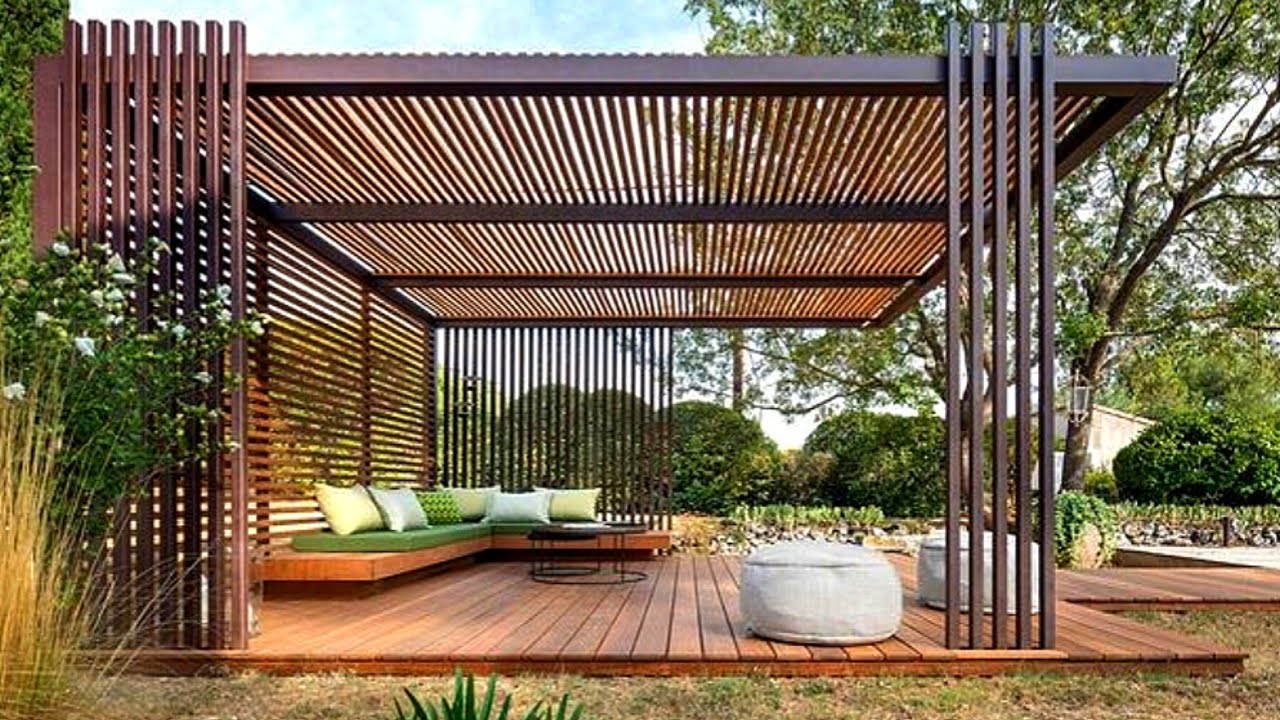
A patio can be the centerpiece of your outdoor living space — a place to relax, entertain, grill, and enjoy time outside. But even a beautifully built patio can fall short if it’s not designed with comfort, flow, and lifestyle in mind. Many homeowners make small patio design mistakes that affect how usable and enjoyable the space becomes.
At Vicente Outdoor Living, we see these issues all the time — and the good news is, most of them are simple to avoid with the right planning. Here are the most common patio design mistakes and how to ensure your patio turns out exactly how you envision it.
One of the most common mistakes is underestimating how much space you’ll actually need.
Plan for:
A good rule of thumb: add at least 20–30% more space than you think you need.
Patios are often placed without considering how much sun they get — leaving them too hot or too bright to enjoy.
Evaluate:
Comfort should guide placement just as much as aesthetics.
Not all patio materials work well for every yard.
Choose materials like:
…and pick tones that complement your home.
Poor drainage leads to puddles, soil erosion, and long-term damage.
Professional installation includes:
Drainage is just as important as the patio surface itself.
If you eventually want a pergola, fire feature, outdoor kitchen, hot tub, or seating wall, you need to plan for those from the start.
Design the patio with:
Planning ahead saves money and frustration later.
Patios often feel awkward because pathways weren’t integrated into the design.
Create natural flow with walkways to:
Walkways make the patio feel intentionally connected to the rest of the yard.
Furniture is an afterthought in many patio designs — and it quickly becomes a problem.
Measure ahead of time and account for:
Furniture should fit, not feel squeezed in.
Even the most beautiful patio becomes unusable in harsh sun.
Add shade through:
Shade is essential for comfort.
Too many shapes, colors, or materials can make a patio feel cluttered.
Stick to a cohesive palette and design:
Less is often more for timeless outdoor spaces.
Without lighting, your patio becomes invisible after sunset.
Add lighting such as:
Lighting adds ambiance and safety.
A patio alone can feel “hard.” Landscaping softens and completes the design.
Add:
Plants make the patio feel integrated and welcoming.
Small DIY patios are fine — but most patios require professional expertise.
A professional ensures:
Good craftsmanship means a patio that holds up for decades.

Tell us your vision, and we’ll create a patio design that avoids common mistakes and enhances your entire outdoor living space.


