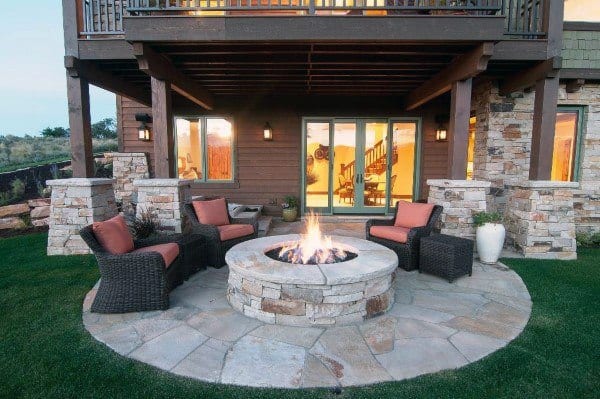
A fire pit is one of the most enjoyable additions you can bring to your backyard. It creates warmth, ambiance, and a natural gathering point for friends and family. But before you build one, you’ll need to decide between two main options: gas or wood-burning.
Both choices have unique benefits depending on your lifestyle, design goals, and backyard setup. At Vicente Outdoor Living, we help homeowners choose the perfect fire feature for their outdoor space. If you're unsure which style fits your needs, here’s a clear and helpful comparison.
1. Convenience: How Quickly Do You Want To Start Your Fire?
Gas fire pits:
- ignite instantly
- turn off with a switch
- require no wood chopping
- leave no ash or mess
- offer consistent flames
Gas is unbeatable when it comes to convenience.
Wood-burning fire pits:
- require setup
- take time to light
- need wood storage
- create ash to clean
If you enjoy the ritual of building a fire, wood is ideal. If you want instant relaxation, gas wins.
2. Ambiance: What Kind of Fire Experience Do You Prefer?
Wood fire pits offer:
- crackling sounds
- smoky aroma
- natural flame variation
- nostalgic campfire feel
Many homeowners choose wood for the emotional connection.
Gas fire pits offer:
- clean, elegant flames
- modern aesthetic
- steady burn
- no smoke
Perfect for patios where comfort and simplicity matter.
3. Maintenance: How Much Cleanup Do You Want?
Gas fire pits:
- minimal maintenance
- no ash
- no soot
- rarely need cleaning
Wood-burning fire pits:
- require ash removal
- need wood storage
- create soot buildup
- can leave embers behind
If low maintenance is a priority, gas is the clear winner.
4. Heat Output: Which Provides Better Warmth?
Wood-burning fire pits:
- produce intense, radiating heat
- great for cool nights
- ideal for larger gatherings
Gas fire pits:
- steady, comfortable heat
- more controlled
- heat output depends on BTUs
If you want higher heat levels, wood may be better.
5. Cost: What’s the Budget Difference?
Wood-burning fire pits:
- generally more affordable
- don’t require gas lines
- simpler installation
Gas fire pits:
- higher upfront cost
- require gas line installation
- offer long-term convenience
Both options have great value — it depends on your priorities.
6. Smoke: Do You Mind Smoke or Prefer a Clean Burn?
Wood fire pits:
- produce smoke
- can irritate eyes
- may leave odors on clothes
- affected by wind
Gas fire pits:
- smoke-free
- cleaner for guests
- better for close seating
- no lingering smells
If smoke bothers you or your neighbors, choose gas.
7. Design Options: Which Style Matches Your Backyard?
Gas fire pits work well for:
- modern patios
- outdoor kitchens
- sleek fire bowls
- linear fire features
- minimalist designs
Wood-burning fire pits suit:
- rustic landscapes
- natural stone patios
- large seating areas
- cozy backyard retreats
Your home’s style can guide your choice.
8. Environmental Impact: Which Option Is More Eco-Friendly?
Gas fire pits:
- cleaner burn
- fewer particulates
- lower emissions
Wood-burning fire pits:
- more smoke
- depends on wood type
- untreated hardwood is best
Gas is generally more eco-friendly, especially in urban areas.
9. Installation Requirements: What Does Your Yard Allow?
Gas fire pits need:
- a gas line
- professional installation
- proper ventilation
- controlled flame areas
Wood fire pits need:
- a safe, open location
- a non-combustible base
- a spark guard in some cases
Space and safety requirements matter when choosing.
10. Safety: Which Option Is Safer for Families and Small Spaces?
Gas fire pits:
- controlled flame
- no flying embers
- easier shut-off
- safer near furniture
Wood-burning fire pits:
- sparks and embers
- hot ash
- require more supervision
Gas is generally safer for families with young kids.
11. Year-Round Use: Which One Works in More Seasons?
Gas can be used:
- year-round
- even during burn bans (in many areas)
- without needing fuel prep
Wood-burning depends on:
- wood availability
- weather
- local fire restrictions
If you want maximum usage, gas is more reliable.
12. Overall Experience: Which Option Fits Your Lifestyle?
Choose GAS if you want:
- convenience
- low maintenance
- a clean burn
- modern design
- easy everyday use
Choose WOOD if you want:
- a traditional fire feel
- strong heat
- rustic charm
- the sound and aroma of burning wood
Both are great — it’s about what you prefer.
Why Choosing the Right Fire Pit Matters
Your fire feature affects:
- comfort
- usability
- atmosphere
- maintenance
- design cohesiveness
- long-term enjoyment
Making the right choice ensures your investment brings years of outdoor enjoyment.