
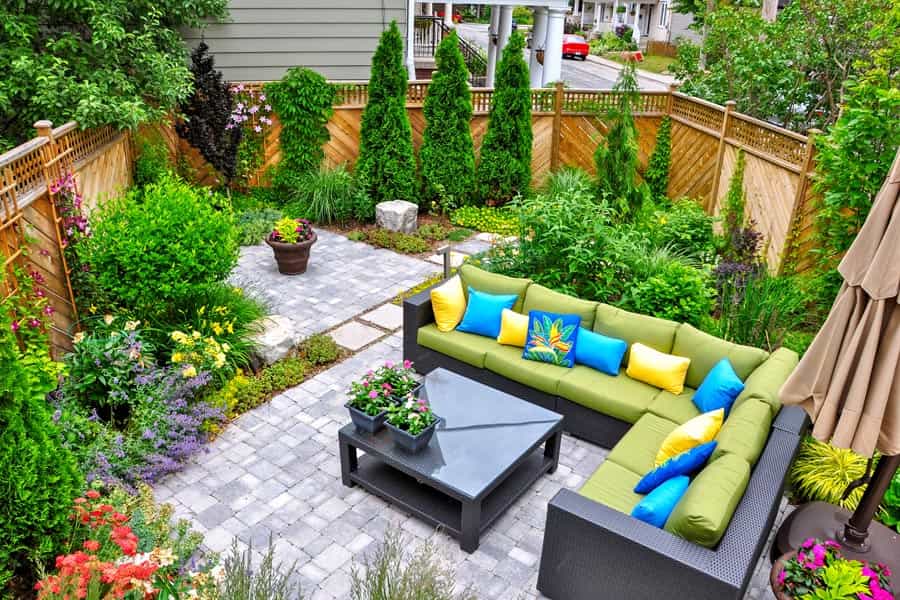
If you’re planning to improve your yard, you’ve probably heard the terms “hardscaping” and “landscaping.” While they might sound similar, they serve very different purposes — and the best outdoor spaces almost always combine both. Understanding the difference helps you make better decisions about design, budget, and long-term results.

At Vicente Outdoor Living, we specialize in designing outdoor spaces that feel complete, balanced, and built for everyday use. Here’s what you need to know about hardscaping vs. landscaping — and why your yard needs a thoughtful mix of both.

1. What Exactly Is Hardscaping?

Hardscaping includes all the non-living elements of your outdoor space.

Common hardscape features include:

  • patios
  • retaining walls
  • walkways
  • fire pits
  • pergolas
  • paver driveways
  • outdoor kitchens
  • steps and pathways
  • seating walls

These features add structure, function, and durability to your yard.

2. What Is Landscaping?

Landscaping includes all the living elements such as plants, trees, and lawn.

Landscaping includes:

  • shrubs
  • trees
  • garden beds
  • flowers
  • mulch or rock
  • turf (real or artificial)
  • irrigation

Landscaping adds life, color, softness, and natural beauty.

3. Hardscaping Creates Structure — Landscaping Brings It to Life

Hardscaping is the foundation of your outdoor environment.

Hardscaping provides:

  • usable surfaces
  • defined spaces
  • walkable paths
  • support for elevation changes
  • platforms for furniture and kitchens

Landscaping enhances these areas by adding warmth and personality.

4. You Need Hardscaping for Function, Landscaping for Atmosphere

Hardscaping solves practical problems, while landscaping solves aesthetic ones.

Hardscaping improves:

  • stability
  • drainage
  • outdoor living use
  • entertainment areas

Landscaping improves:

  • curb appeal
  • shade
  • privacy
  • natural visuals

Together, they create a balanced space.

5. Hardscaping Often Comes First for Long-Term Design

If you're renovating your yard, hardscaping should almost always be done first.

Why?

  • heavy equipment is needed
  • soil and grading changes occur
  • proper base preparation matters
  • plantings shouldn’t be disturbed

Once hardscaping is complete, landscaping fills in the beauty.

6. Hardscaping Defines Zones in Your Yard

Well-designed hardscaping gives your yard structure and flow.

Zones include:

  • dining areas
  • lounge spaces
  • grilling areas
  • fire pit zones
  • garden paths
  • poolside areas

Landscaping then softens and complements these zones.

7. Landscaping Adds Texture, Color, and Seasonal Change

While hardscaping is permanent, landscaping evolves with the seasons.

Landscaping adds:

  • fall color
  • spring blooms
  • summer lushness
  • winter interest

This creates a dynamic, ever-changing outdoor space.

8. Hardscaping Solves Problems Plants Alone Can’t Fix

Certain issues can only be fixed with hardscaping.

Hardscaping solutions include:

  • retaining walls for slopes
  • pavers for walkability
  • patios for seating
  • drainage channels
  • steps for elevation changes

Landscaping doesn’t provide structural support — hardscaping does.

9. Landscaping Softens the Edges of Hardscaping

Hard materials can feel too harsh without the softness of plants.

Landscaping complements hardscapes by:

  • framing patios
  • softening walls
  • adding color around walkways
  • blending features into the yard

Plants make hardscapes feel natural and inviting.

10. Hardscaping Increases Functionality — Landscaping Enhances Beauty

Hardscaping:

  • makes your yard usable
  • expands your living space
  • withstands weather
  • provides long-term structure

Landscaping:

  • boosts curb appeal
  • creates a sense of calm
  • increases property value
  • supports local ecology

Both are essential in a complete backyard design.

11. A Balanced Yard Uses Both Elements Thoughtfully

The best outdoor spaces combine:

  • structure + greenery
  • function + beauty
  • durability + softness

Too much hardscaping feels industrial.
Too much landscaping feels unfocused or high-maintenance.
Balance is the key.

12. Work With a Team That Understands Both

A cohesive design requires experience in both areas.

Professional teams ensure:

  • proper drainage
  • long-term durability
  • coordinated colors and materials
  • plant selections that thrive
  • balanced design flow

When both elements work together, the results are stunning.

Why Understanding the Difference Matters

Knowing the roles of hardscaping and landscaping helps you:

  • budget wisely
  • plan your project phases
  • choose the right materials
  • design a functional, beautiful yard
  • invest in long-term solutions

A great outdoor space relies on the partnership between the two.

Ready To Transform Your Outdoor Space With Hardscaping and Landscaping That Work Together?

Tell us your vision, and we’ll build a yard that feels balanced, welcoming, and designed for how you live.