



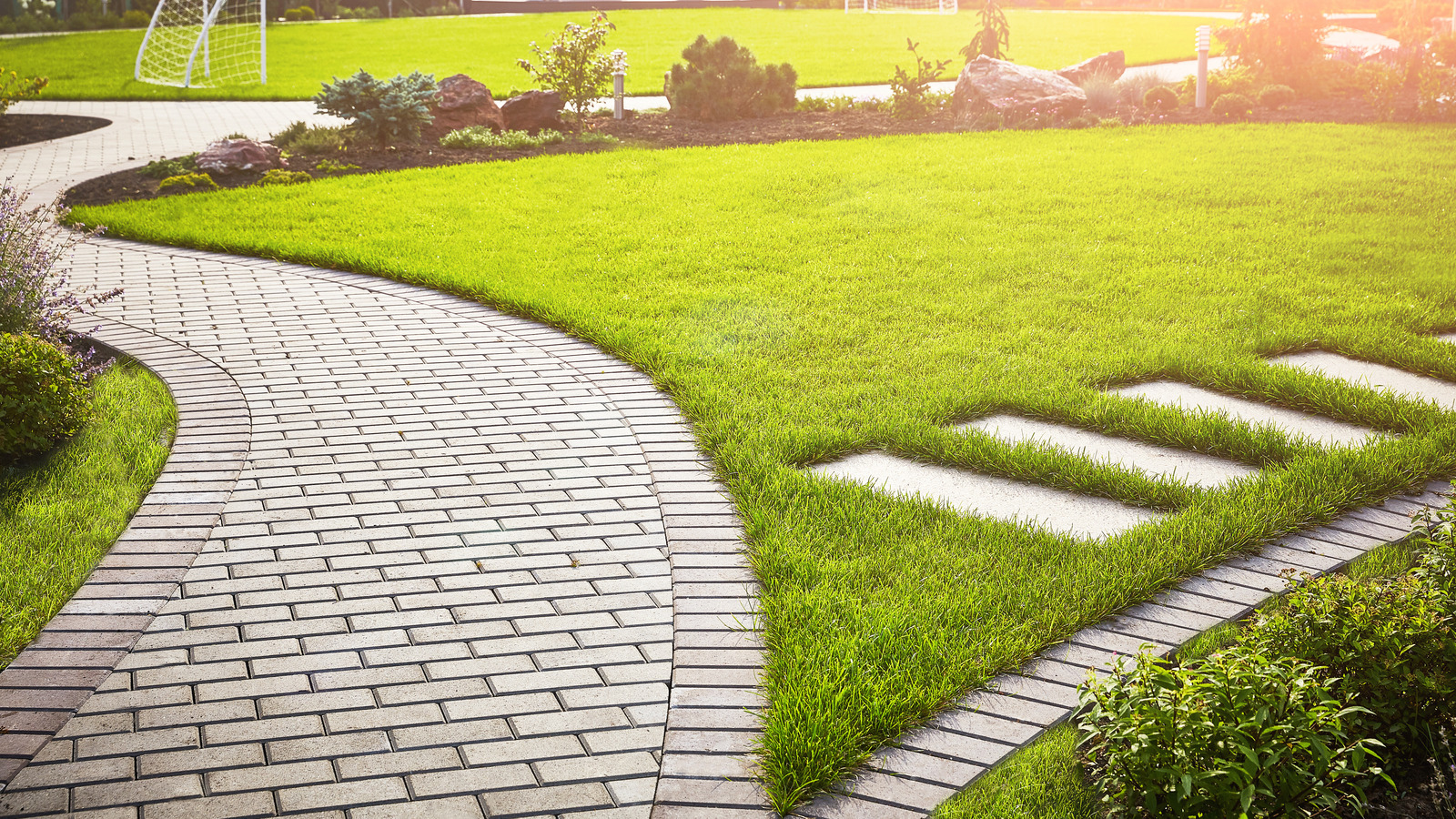
Walkways are often treated as an afterthought in landscape design — something you add at the very end. But the truth is, a walkway is one of the most important elements in any outdoor space. It determines how easily people move through your yard, how safe the space feels, and how well different areas connect.
At Vicente Outdoor Living, we build walkways that combine beauty and function. Whether you have kids running around, aging family members, or guests frequently visiting, the right walkway design makes your entire outdoor space safer, more comfortable, and far more usable.
Here’s how thoughtful walkway design improves accessibility and safety for everyone in your home.
Without a walkway, people naturally create their own path through the yard — which often means:
A walkway provides a clear, stable path from one area to another, making your yard more organized and easier to navigate.
Uneven turf, mud, tree roots, and dips in the lawn are common reasons people trip outdoors.
This is especially important for children, guests, and aging adults.
Many walkways are built too narrow, making it difficult for:
Proper width makes movement easier and safer.
Some surfaces become slippery when wet — especially around pools, shaded areas, or irrigated lawns.
Choosing the right material can prevent slips and falls year-round.
Sharp turns or abrupt pathways can feel uncomfortable and unsafe.
This helps guide movement naturally and reduces abrupt changes that can cause missteps.
You shouldn’t have to avoid your yard when the sun goes down.
Great lighting options include:
Lighting is a small investment with huge safety benefits.
If your yard doesn’t have a defined path, people end up walking through:
That debris eventually gets tracked into your home.
Your indoor spaces stay cleaner with less effort.
Without a designated path, people inadvertently step on:
This keeps your yard looking cared for and intentional.
Walkways connect all the functional spaces in your yard.
When everything is connected, your yard becomes far more usable.
If your yard has hills or grade changes, walkways make those areas much safer.
This prevents accidents and makes your yard accessible to everyone.
Some materials stay cool underfoot, while others retain heat — which matters in Texas.
Walking barefoot or with children becomes more enjoyable.
A walkway is only as safe as its foundation.
This prevents shifting, settling, or cracking that can create hazards over time.

Tell us your vision, and we’ll design a walkway that enhances accessibility and comfort across your entire yard.


