
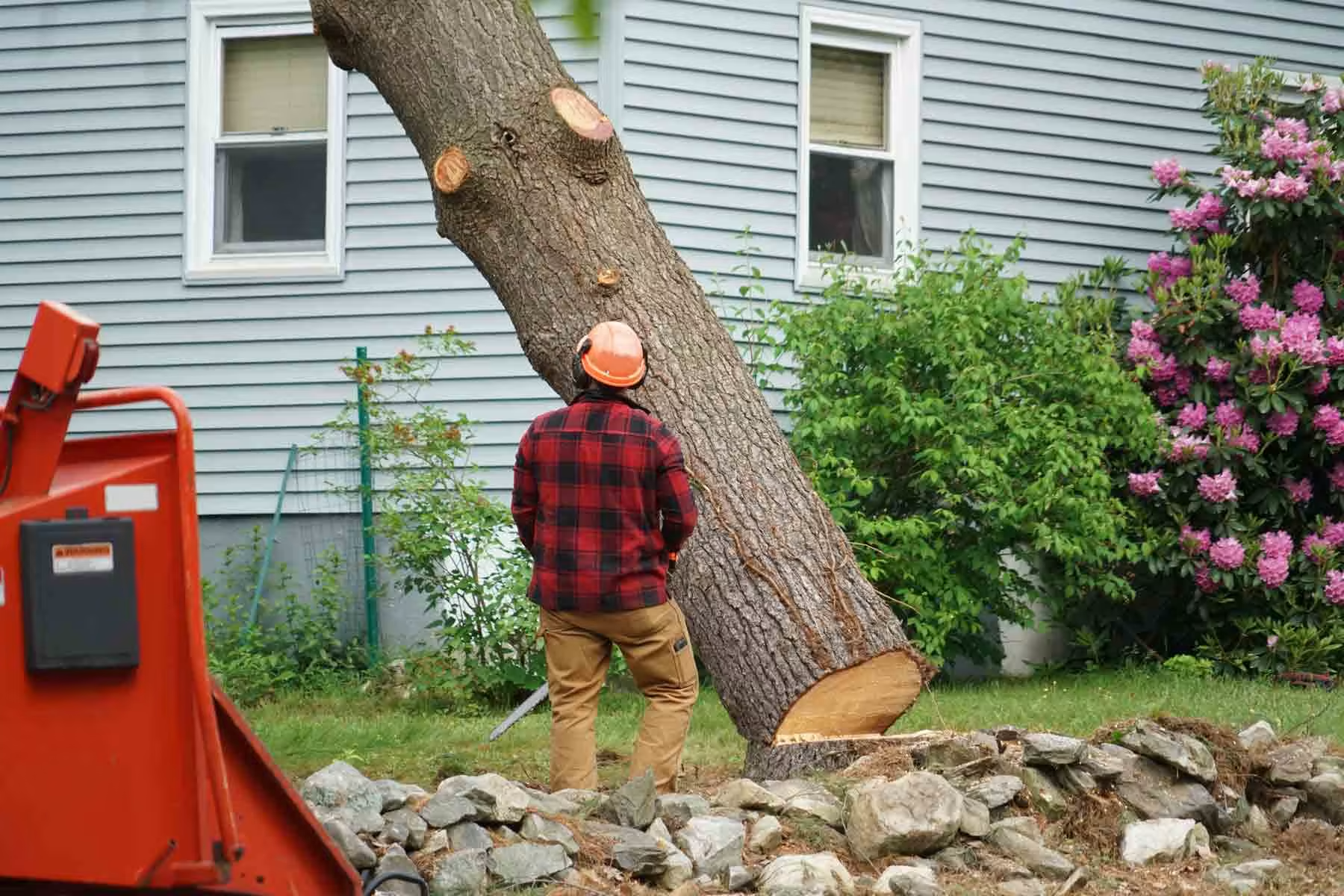
Most homeowners love having trees in their yard — and for good reason. They offer shade, beauty, privacy, and value. But not every tree should stay where it is forever. Sometimes a tree becomes unsafe, unhealthy, or disruptive to your landscape. When that happens, proper, professional tree removal is not just helpful — it’s necessary.

At Vicente Outdoor Living, we help homeowners determine when it’s time to remove a tree and how doing so can improve both safety and the overall health of your outdoor space. If you’re wondering whether a tree is becoming a problem, here’s what you need to know.

1. Removing Hazardous Trees Protects Your Home

A tree may look fine from a distance, but up close it might show signs of instability.

Trees may become hazardous due to:

  • storm damage
  • root decay
  • trunk cracks
  • leaning toward a structure
  • weakened branches
  • disease or pest infestation

A hazardous tree can fall without warning — especially during Texas storms. Removing it protects your home, vehicles, and family.

2. Tree Removal Prevents Damage to Foundations and Hardscapes

Tree roots can be surprisingly destructive.

Roots often cause damage to:

  • sidewalks
  • driveways
  • patios
  • retaining walls
  • foundations
  • underground pipes

If a tree is planted too close to hardscaping or structures, removal is often the safest long-term solution.

3. It Opens Up Space for Healthier Landscaping

Some trees dominate the landscape, blocking sunlight and preventing other plants from thriving.

Removing a problematic tree allows:

  • more sunlight into the yard
  • better airflow
  • healthier grass
  • thriving garden beds
  • room for new plantings

Your landscape becomes more balanced and vibrant.

4. Removing Diseased Trees Protects the Rest of Your Yard

Tree diseases can spread quickly — especially fungal infections and pests.

Signs a tree may be diseased include:

  • peeling bark
  • mushrooms growing at the base
  • discolored leaves
  • dead branches
  • hollow trunk sections

Removing a diseased tree early prevents it from infecting others.

5. A Dead Tree Is a Serious Safety Risk

Once a tree dies, its structure begins to weaken rapidly.

Dead trees:

  • lose branch strength
  • become brittle
  • can collapse without warning
  • attract pests
  • pose a major hazard during storms

Removing a dead tree protects your property and keeps your yard safe.

6. Tree Removal Can Improve Your Home’s Curb Appeal

Sometimes a tree simply doesn’t fit the space.

Common reasons include:

  • it blocks the front of the house
  • it overwhelms the landscaping
  • it creates uneven shade
  • it disrupts symmetry
  • it hides architectural features

Removing an overgrown or misplaced tree can reveal the beauty of your home.

7. Tree Roots Can Affect Irrigation and Drainage

Roots naturally chase water — even if that means invading your irrigation system or redirecting water flow.

Root issues can cause:

  • clogged sprinkler lines
  • pooling water
  • uneven drainage
  • soggy soil
  • lawn damage

Removing the tree helps restore proper water management.

8. Some Trees Produce Excessive Debris or Allergens

Not all trees are homeowner-friendly.

Certain species produce:

  • heavy pollen
  • falling seed pods
  • sticky sap
  • messy fruit
  • constant leaf litter

Removing a high-maintenance tree can make your yard more enjoyable year-round.

9. Tree Removal Makes Room for New Outdoor Features

Your yard evolves with your lifestyle.

After removing a tree, you can add:

  • a patio
  • a pergola
  • an outdoor kitchen
  • a fire pit
  • a walkway
  • new landscaping
  • turf or play areas

Sometimes removing one tree opens the door to a better, more functional outdoor design.

10. Removing a Tree May Improve Safety for Kids and Pets

Low-hanging branches, unstable limbs, or toxic tree species can be dangerous.

Tree removal improves safety by:

  • eliminating falling branch risks
  • removing toxic plants
  • creating open, visible spaces
  • reducing tripping hazards from roots

This makes your yard kid-friendly and easier to maintain.

11. Some Trees Are Simply Planted in the Wrong Place

Even healthy trees can cause long-term problems if planted incorrectly.

Examples include:

  • large trees too close to the home
  • trees planted under power lines
  • species with aggressive roots
  • trees blocking driveways or paths
  • trees restricting future projects

Removing a misplaced tree is often the smartest decision.

12. Professional Removal Ensures Safety and Proper Cleanup

Tree removal is dangerous, especially with large or leaning trees.

Professionals ensure:

  • safe cutting techniques
  • controlled limb removal
  • stump grinding
  • debris cleanup
  • minimal yard disruption

DIY removal is never worth the risk.

Why Tree Removal Matters for Both Safety and Design

Removing the right tree at the right time helps improve:

  • safety around your home
  • landscape health
  • drainage
  • sunlight distribution
  • long-term growth patterns
  • curb appeal
  • space for future outdoor upgrades

It’s not just about getting rid of a tree — it’s about improving your entire outdoor environment.

Ready To Improve Your Landscape With Safe, Professional Tree Removal?

Tell us what you’re noticing, and we’ll help you determine whether your tree needs pruning, treatment, or full removal.