



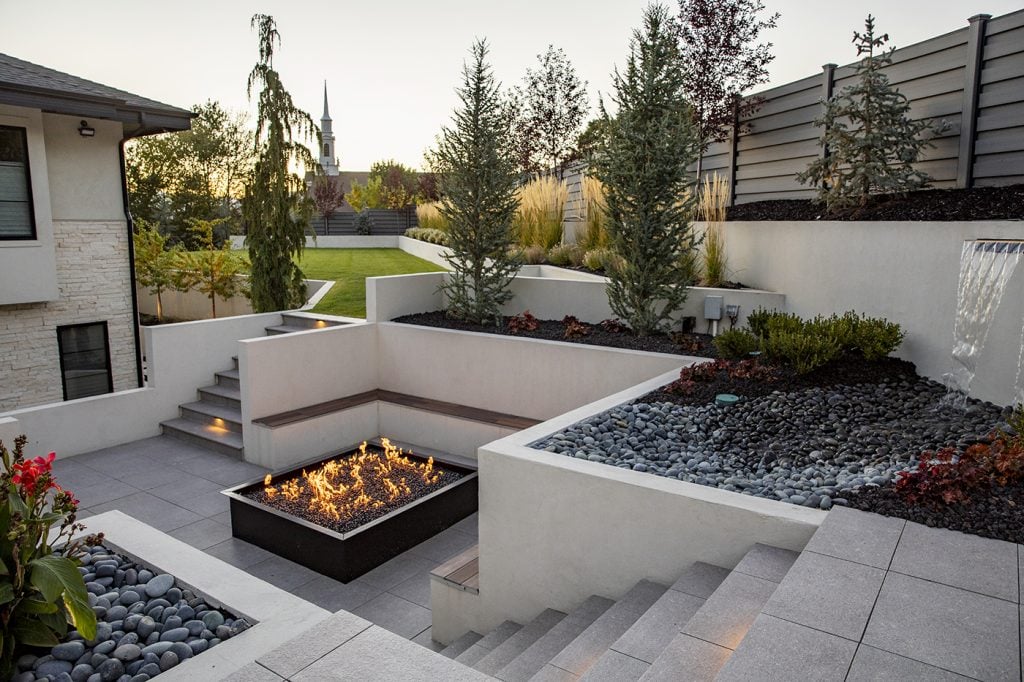
A truly stunning outdoor space strikes the perfect balance between hard elements and natural elements. Hardscaping brings structure, shape, and usability. Landscaping brings color, softness, and life. When the two are blended intentionally, you get an outdoor area that feels welcoming, functional, and beautifully designed.
At Vicente Outdoor Living, we specialize in creating outdoor spaces where stone, plants, pathways, and greenery work together instead of competing. Whether you’re planning a patio, walkway, garden, or full backyard transformation, here’s how to design a space where hardscaping and landscaping feel perfectly in sync.
Hardscaping should come first in any outdoor design because it provides the backbone of the space.
Key hardscape features include:
These elements define the flow, create gathering zones, and support the rest of your design. Once structure is in place, landscaping can be used to soften and enhance it.
Hardscaping is bold, durable, and architectural — which is why soft landscaping is essential for balance.
Landscaping can:
Plants act as the “glue” that ties the space together.
Your landscaping should match the tone and personality of your hardscaping.
Matching the plant style to the hardscape design creates visual harmony.
Great outdoor design uses both curves and straight lines thoughtfully.
This balance helps the space feel intentional and comfortable instead of rigid or chaotic.
A well-designed landscape has layers — low, medium, and tall elements.
Layering adds depth and creates a more immersive outdoor environment.
Hardscaping materials such as pavers, natural stone, or concrete have their own natural tones. Your plant palette should complement these colors.
Color harmony plays a huge role in creating a cohesive outdoor design.
Outdoor lighting shouldn’t only highlight walkways or patios — it should also showcase plants and textures.
Great lighting additions include:
Lighting brings your entire design to life at night.
Not all hardscaping has to look “hard.” Using natural textures can make your space feel more organic.
Popular pairing ideas:
A mix of hard textures and soft greenery creates balance and dimension.
Hardscaping and landscaping work beautifully in transitional areas.
Examples include:
These transitions help guide movement and make the entire yard feel connected.
Ground cover around hardscape features prevents weeds and enhances the overall look.
Options include:
Rock beds create a modern, low-maintenance appearance, while mulch offers warmth and plant health benefits.
Balancing hardscaping and landscaping also means balancing maintenance needs.
A beautiful landscape shouldn’t require endless upkeep.
Your design should match the way you live outdoors.
Choose large patios with plants framing the space.
Use softer edges, shade trees, and cozy seating areas.
Stick to minimal plants and clean lines.
Blend stone with flowing, layered plant beds.
Designing for your lifestyle creates an outdoor space you’ll actually use.

Tell us your vision, and we’ll design a blended hardscape and landscape layout that elevates your entire yard.


