



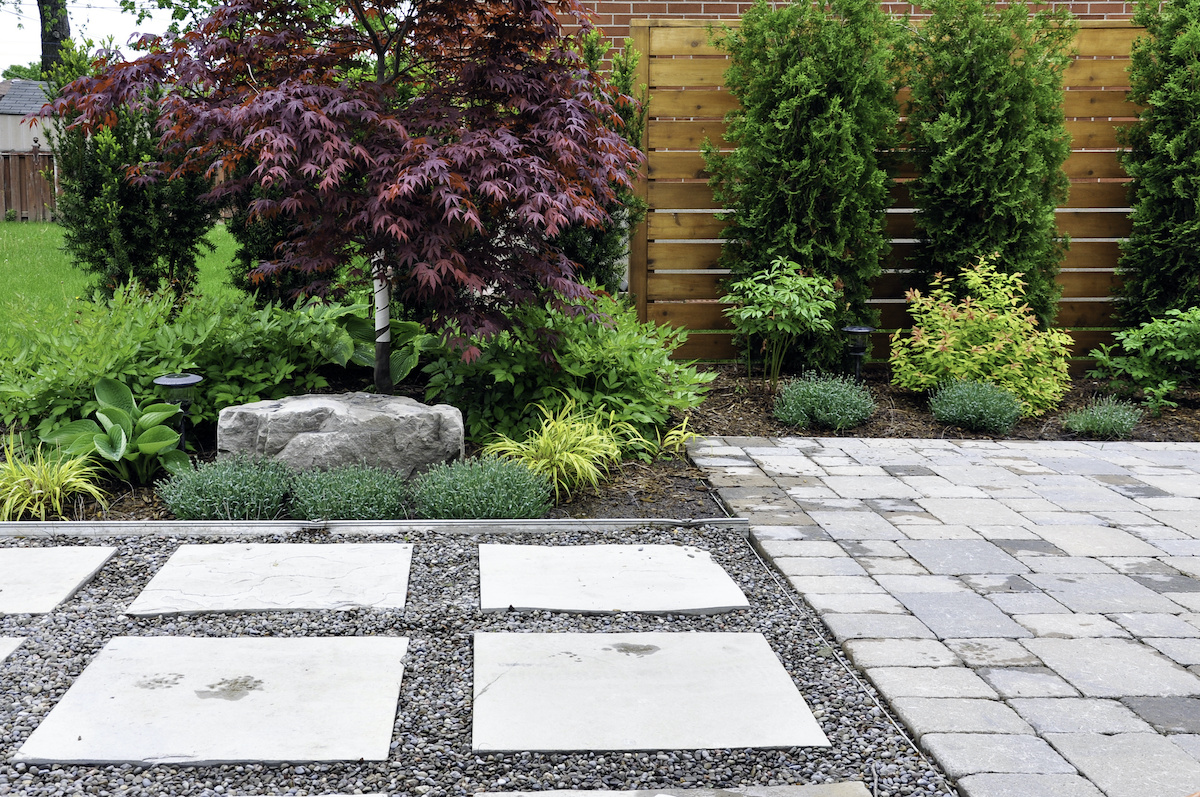
When homeowners imagine their dream backyard, they usually picture a beautiful mix of structure and nature — spaces to relax and entertain, surrounded by greenery that feels alive, refreshing, and vibrant. Achieving this balance requires blending hardscaping (the built elements) with softscaping (the plants and natural features).
When hardscaping and softscaping are designed together—not as separate, unrelated pieces—your outdoor space becomes cohesive, functional, and inviting. At Vicente Outdoor Living, we help homeowners create that perfect combination. If you're planning a backyard upgrade, here’s how to blend these two essential elements like a pro.
Before adding plants or building structures, think about the purpose of your yard.
Do you want:
Your lifestyle determines the ideal balance between hardscaping and softscaping.
For example:
A clear vision makes every design choice easier.
Hardscaping forms the backbone of your outdoor space. It creates the layout, defines zones, and makes the yard usable.
Hardscape features include:
These elements create the “rooms” within your outdoor environment.
Placement matters—patios should feel connected to your home, walkways should lead people naturally through the yard, and walls should support function and look beautiful.
Softscaping includes everything that grows: plants, flowers, grass, trees, and shrubs. These elements soften the hard lines of built structures and give your yard its charm, personality, and color.
Softscape features include:
Softscaping balances out the stone, concrete, and wood of your hardscape.
Contrast is what makes a landscape feel dynamic and interesting. The combination of textures, colors, and shapes creates visual balance.
For example:
Contrast makes your yard feel layered and visually rich instead of flat or monotone.
Hardscaping often has clean, sharp lines. Softscaping helps round out the design so your backyard doesn’t feel overly rigid.
Plants that soften hardscapes beautifully include:
When placed near walls, steps, or pavers, these plants soften transitions and add warmth.
If your yard has slopes or uneven elevation, the best designs use both stone and plants to transition between levels.
For example:
This approach makes elevation changes feel natural and visually appealing.
Hardscaping creates microclimates—areas of shade, heat, or reflection—depending on the materials used.
Choose plants that love heat and light (sage, lavender, grasses).
Use plants that thrive without direct sun (ferns, hostas, hydrangeas).
Surface temperatures can be warmer. Drought-tolerant plants do best.
Knowing how the sun hits your yard helps you choose the right mix of plants and hardscape features.
Outdoor lighting ties hardscaping and softscaping together, making your yard look stunning even after dark.
Lighting options include:
Good lighting makes your yard feel cohesive and inviting at night.
Straight lines create a modern, structured look. Curves create softness and natural movement. The best landscapes use a mix of both.
Examples:
These combinations make the space feel intentional, not overly geometric.
Hardscaping reduces maintenance, while softscaping adds variety—but also requires care.
To maintain balance:
A well-blended landscape looks great without demanding too much work.

Tell us the vision you have in mind, and we’ll design a perfectly balanced combination of hardscaping and softscaping that transforms your outdoor space.


