
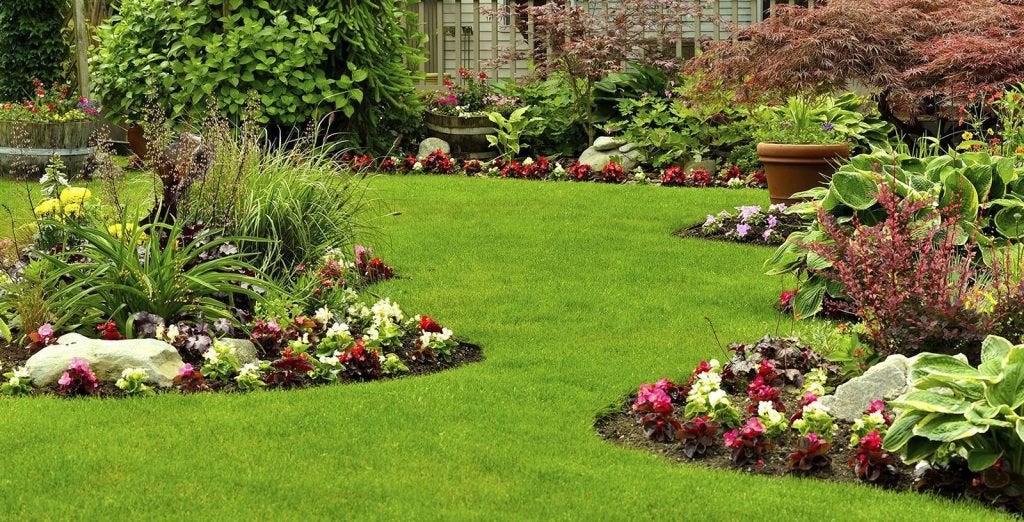
A truly stunning outdoor space doesn’t rely on plants alone — or hardscapes alone. The best landscapes have a careful mix of both. Softscaping brings life, color, and natural movement, while hardscaping adds structure, strength, and usable space. When combined thoughtfully, they turn an ordinary yard into a relaxing, functional, and visually impressive outdoor environment.

At Vicente Outdoor Living, we specialize in creating landscapes that feel balanced, purposeful, and inviting. If you want a yard that feels cohesive (instead of disconnected or unfinished), here’s how to blend hardscaping and softscaping the right way.

1. Start With Hardscaping as the Structural Foundation

Hardscaping gives your landscape its shape.

Hardscaping includes:

  • patios
  • walkways
  • retaining walls
  • pergolas
  • paver borders
  • steps
  • fire features
  • seating walls

These elements outline your outdoor “rooms” and create the structure that plants will complement.

Tip:

Always install hardscapes first — they involve excavation, grading, and machinery that could damage plants.

2. Use Softscaping To Soften the Edges of Hardscaping

Hard materials can feel harsh if not balanced with organic elements.

Softscaping includes:

  • shrubs
  • trees
  • perennials
  • ornamental grasses
  • groundcovers
  • flower beds

These bring warmth, texture, and color to contrast the stone and concrete.

Softscaping softens:

  • patio borders
  • retaining wall bases
  • walkways
  • steps
  • outdoor kitchens

This helps every feature blend naturally with the landscape.

3. Match Your Plants to Your Hardscape Style

The style of your hardscape should guide your plant choices.

Modern hardscape designs pair well with:

  • clean-lined shrubs
  • structured hedges
  • minimal color palettes
  • ornamental grasses

Rustic natural stone pairs well with:

  • blooming perennials
  • native plants
  • looser, flowing garden designs
  • textured foliage

The right pairings make the design feel intentional and cohesive.

4. Use Landscaping To Create Smooth Transitions Between Spaces

Plants shouldn’t just fill empty spaces — they should connect your outdoor areas.

Softscaping can transition between:

  • a patio and the lawn
  • a walkway and a garden bed
  • a retaining wall and the yard
  • multi-level hardscapes

Soft transitions prevent the space from feeling “blocky” or disjointed.

5. Incorporate Height Variation for Depth and Dimension

A flat, one-level yard lacks interest.

Combine layers:

  • tall trees
  • medium shrubs
  • low perennial beds
  • groundcovers

Pairing these layers with stone creates depth and movement throughout your yard.

6. Use Plants To Highlight and Frame Hardscape Features

Softscaping can make hardscapes stand out — instead of blending into the background.

Great framing techniques include:

  • planting shrubs on each side of a walkway
  • adding grasses around a fire pit
  • framing steps with low greenery
  • placing flower beds around patios
  • using evergreens to anchor corners

This creates focal points that draw the eye through the landscape.

7. Choose Materials and Plants With Complementary Colors

Color harmony matters in outdoor design.

Examples:

  • gray stone pairs beautifully with dark green and purple plants
  • tan pavers complement warm-toned grasses and flowering plants
  • white limestone looks great with bright or deep greens

Matching the tones creates a polished, high-end feel.

8. Add Curves or Angles for Movement and Personality

Your hardscape shape dictates how your landscape feels.

Curved edges create:

  • softness
  • movement
  • natural flow

Straight lines create:

  • clean, modern structure
  • organized geometry

Choose a design style that matches your home’s architecture — and mirror it in your landscaping.

9. Consider Maintenance When Choosing Plants

Beautiful landscaping doesn’t have to mean high maintenance.

Low-maintenance plant choices include:

  • drought-resistant shrubs
  • native plants
  • hardy perennials
  • evergreen varieties
  • ornamental grasses

These stay beautiful year-round with minimal care.

10. Use Lighting To Tie Softscaping and Hardscaping Together at Night

Lighting elevates both stonework and plants.

Consider adding:

  • uplights behind plants
  • step lighting
  • pathway lights
  • under-cap lighting on walls
  • spotlights on trees

Lighting creates a dramatic nighttime landscape that highlights both structure and softness.

11. Add Mulch or Rock Beds To Complete the Design

The finishing layer matters.

Benefits include:

  • moisture retention
  • weed control
  • clean, polished appearance
  • stronger color contrast

Mulch or rock ties the planting beds into the surrounding hardscape.

12. Work With a Professional for True Design Balance

Blending softscaping and hardscaping is an art — and requires the right balance of color, texture, function, and style.

Professional landscape designers ensure:

  • proper plant placement
  • hardscape integration
  • long-term growth planning
  • cohesive design themes
  • strong visual flow

This results in a yard that feels natural, balanced, and expertly crafted.

Why Blending Softscaping and Hardscaping Matters

A well-balanced landscape:

  • improves curb appeal
  • increases home value
  • adds comfort and usability
  • creates structure and beauty
  • makes maintenance easier
  • transforms your outdoor living experience

Your yard becomes a space you love spending time in.

Ready To Create a Landscape With Perfect Softscape–Hardscape Harmony?

Tell us your goals, and we’ll design a cohesive outdoor environment that looks stunning year-round.