
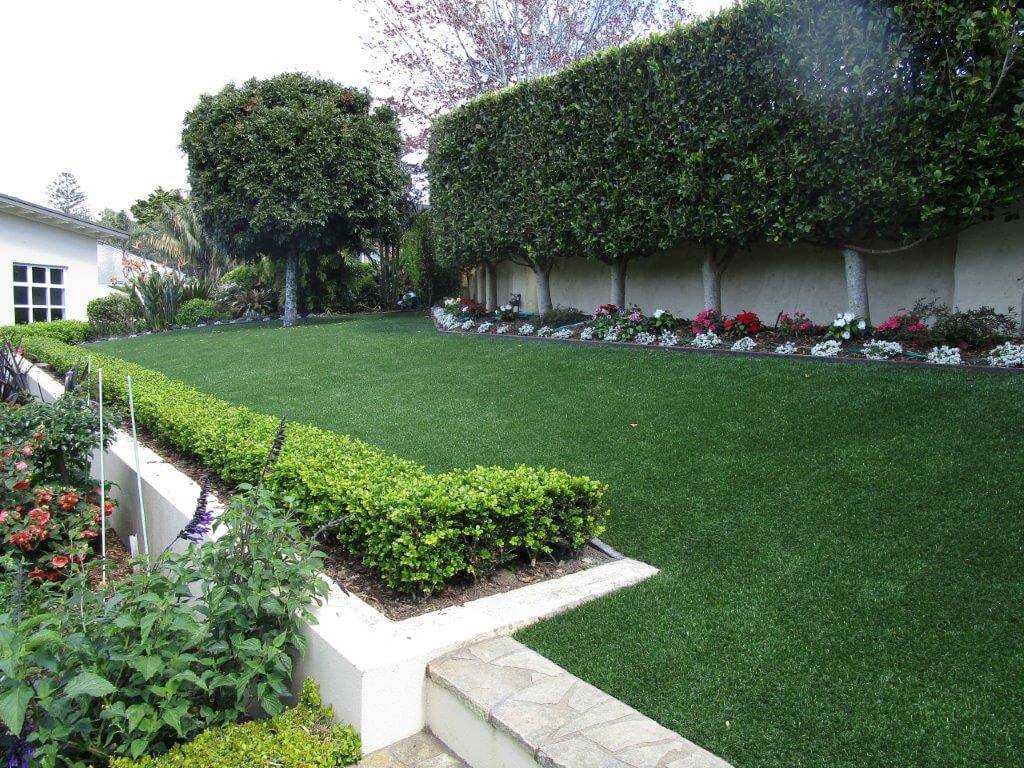
Artificial turf has come a long way from the shiny, stiff surfaces people remember from years ago. Today’s turf looks soft, natural, and lush — and it solves many of the struggles homeowners face with traditional grass. But not all artificial turf is created equal. The “best” turf depends on how you use your yard, what look you want, and how much traffic the area gets.

At Vicente Outdoor Living, we install premium turf systems built for long-lasting beauty, drainage, and durability. If you're considering artificial grass, here’s how to choose the right type for your yard.

1. Start With Your Yard’s Main Purpose

Different turf styles are designed for different uses.

Ask yourself:

  • Is the yard for kids?
  • Do you have dogs?
  • Is it mostly for looks?
  • Do you host gatherings?
  • Will it be part of a putting green?

Your turf should match your lifestyle — not the other way around.

2. Turf for Families With Kids Should Be Durable and Soft

If your yard gets a lot of playtime, choose turf that balances softness with resilience.

Look for:

  • moderate pile height
  • soft blades
  • high-density stitching
  • durable backing

This gives the cushioned feel kids love while standing up to constant use.

3. Turf for Dogs Requires Specialized Features

Pet-friendly turf is different from standard turf.

Important features include:

  • antimicrobial infill
  • strong backing
  • superior drainage
  • odor-resistant materials

These reduce smells, improve hygiene, and make cleanup easier.

4. If You Want a Natural Look, Blade Shape and Color Matter

The realism of artificial turf depends on subtle details.

For the most natural appearance, choose turf with:

  • multi-tone blades
  • a mix of green and tan shades
  • V-shaped or omega blades
  • uneven blade heights for natural texture

These details make turf nearly indistinguishable from real grass.

5. High-Traffic Areas Need Strong Backing and Dense Stitching

If your yard is a gathering space, durability is essential.

Look for:

  • high blade density
  • polyurethane backing
  • reinforced stitching
  • short-to-medium pile height

This ensures your turf stays lush even with heavy foot traffic.

6. Drainage Is One of the Most Important Features — Don’t Overlook It

A good drainage system prevents:

  • puddling
  • bacteria growth
  • unpleasant odors
  • turf discoloration

Quality turf has backing perforations, layered base materials, and antimicrobial infill.

7. Turf for Putting Greens Is Designed Completely Differently

If you're dreaming of a backyard putting green, you need specialized turf.

Putting green turf features:

  • very short pile height
  • firm surface
  • dense stitching
  • predictable ball roll

This turf is built for performance, not softness.

8. Shade Conditions Affect Turf Temperature and Color

If your yard gets full sun all day, choose heat-resistant turf.

Heat-resistant turf offers:

  • cooler surface temperatures
  • UV stability
  • fade-resistant colors

Shaded yards may require softer, lighter turf varieties.

9. Blade Height Influences Both Look and Maintenance

Shorter blades (1–1.25 inches):

  • easier to clean
  • great for high traffic
  • more structured appearance

Medium blades (1.5–1.75 inches):

  • most natural look
  • soft yet durable
  • ideal for front yards

Longer blades (2 inches+):

  • lush appearance
  • less ideal for heavy use

Choosing the right height depends on your goals.

10. The Right Infill Makes All the Difference

Infill gives turf structure, weight, and performance.

Common types include:

  • silica sand
  • antimicrobial infill
  • rubber infill
  • cooling infill

Your turf installer should recommend the best type based on your usage.

11. Consider How the Turf Will Look With Other Landscape Features

Turf pairs beautifully with:

  • paver patios
  • stone walkways
  • retaining walls
  • boulder accents
  • planting beds
  • pergolas

The right color tone enhances your entire space.

12. Professional Installation Ensures Longevity and Realism

Even the best turf underperforms if installed poorly.

Professionals ensure:

  • proper grading
  • strong base compaction
  • clean seamwork
  • correct infill
  • secure edging
  • optimal drainage

This is what makes turf last for years without warping or sinking.

Ready To Choose the Perfect Turf for Your Space?

Tell us how you use your yard, and we’ll recommend a turf system that’s beautiful, durable, and built for long-lasting performance.