
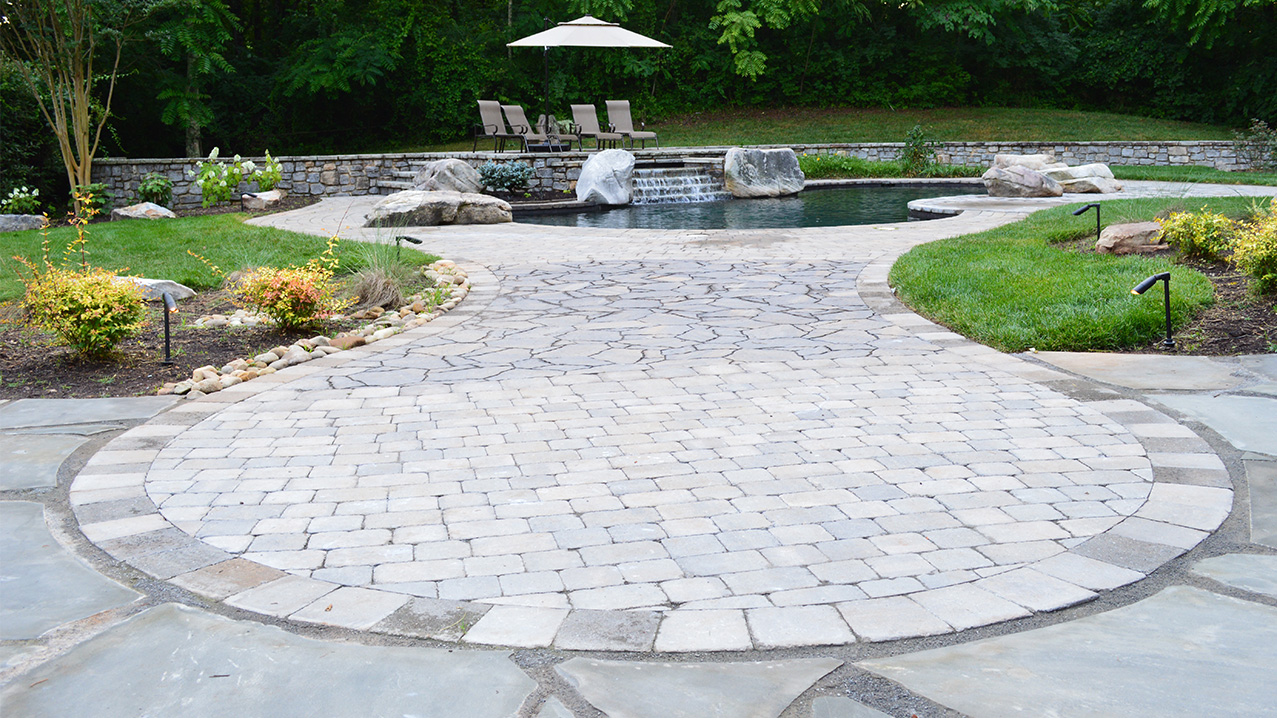
Hardscaping is the backbone of every beautiful outdoor space. Patios, walkways, retaining walls, steps, fire features, and outdoor structures all work together to create flow, function, and long-lasting beauty. But the real magic happens when these elements are designed as one connected system rather than separate features.

At Vicente Outdoor Living, we specialize in master-planned outdoor designs where every hardscape feature feels intentional, coordinated, and built to work together. If you want an outdoor space that feels seamless and balanced, here’s how to combine hardscape features the right way.

1. Start With a Master Plan Instead of One Project at a Time

Designing hardscapes individually—one patio here, one walkway later, a wall someday—often leads to mismatched materials, awkward layouts, and inconsistent styles.

A master plan helps you:

  • unify all materials and finishes
  • align features with natural flow
  • create clear zones
  • avoid future rework
  • maximize your budget

Even if you build in stages, the design stays cohesive.

2. Match or Complement Your Hardscape Materials

Materials set the tone of your entire outdoor environment. When materials don’t match, the space can feel disconnected.

To create cohesion, choose:

  • matching pavers for patios and walkways
  • retaining wall blocks that complement patio colors
  • stone textures that repeat throughout the space
  • concrete finishes that coordinate with surrounding materials

Repeating materials creates visual unity.

3. Create Natural Flow Between Zones Using Walkways

Walkways act like hallways, tying all outdoor “rooms” together.

Walkways should:

  • connect patios to fire pits
  • lead from the house to the yard
  • transition between levels
  • guide the natural movement of guests

When walkways align with the layout of your space, everything feels connected.

4. Use Retaining Walls To Shape and Support the Space

Retaining walls are more than functional—they create structure, depth, and polished design lines.

Walls help you:

  • define seating zones
  • create terraces
  • support raised patios
  • frame walkways
  • add dimension to flat yards

Matching the wall material to your patio or steps keeps everything cohesive.

5. Integrate Steps With Walls and Walkways for Smooth Elevation Changes

If your yard has slopes or differing heights, seamless transitions are essential.

Effective step design includes:

  • matching stone or paver material
  • wide, comfortable treads
  • lighting for visibility
  • placement that aligns with walkways

Steps designed as part of the overall plan feel intentional, not added on.

6. Add a Fire Feature as a Focal Point

Fire features bring warmth and gathering to any outdoor space, but placement is key.

Best practices:

  • center the fire feature within its zone
  • match stone or paver materials
  • use seating walls for built-in comfort
  • ensure easy walking access from the patio

A unified design makes the fire feature feel like a natural part of the landscape.

7. Balance Hardscaping With Landscaping for Softness

Hardscaping alone can feel too rigid. Landscaping softens the edges and adds life.

Pair hardscapes with:

  • shrubs around retaining walls
  • ornamental grasses near pathways
  • potted plants on patios
  • planters integrated into steps

Blending both creates harmony and visual balance.

8. Use Consistent Shapes and Lines Throughout the Space

Shapes make a big difference in creating flow.

If you choose:

  • curved walls → match with curved walkways
  • modern straight lines → keep patio edges clean and angular
  • organic shapes → use soft stone and flowing layouts

Consistency helps the space feel thoughtfully designed.

9. Create Dedicated Zones for Function and Comfort

Hardscaping helps carve out purposeful areas in your yard.

You can create zones for:

  • cooking
  • dining
  • lounging
  • fire gatherings
  • play areas
  • gardening

Defined spaces make your yard feel both bigger and more functional.

10. Add Lighting To Showcase Hardscape Elements at Night

Outdoor lighting transforms hardscapes after dark.

Add lighting to:

  • steps
  • retaining walls
  • path borders
  • pergolas
  • fire feature surroundings
  • patio edges

Lighting adds safety, depth, and ambiance.

11. Prioritize Durable, Low-Maintenance Materials

Your outdoor space should be as easy to maintain as it is beautiful.

Choose durable materials like:

  • high-quality pavers
  • stone or block retaining walls
  • reinforced concrete
  • LED low-voltage lighting
  • weather-resistant structures

Durability ensures your space looks great for years.

12. Work With a Professional Team for a Cohesive Vision

Master-planned hardscapes require:

  • proper engineering
  • drainage planning
  • structural knowledge
  • material expertise
  • design vision

Professionals ensure everything works together safely and beautifully.

Ready To Build a Beautiful, Unified Outdoor Living Space?

Tell us your ideas, and we’ll design a hardscape plan that brings your entire backyard together with seamless flow.