
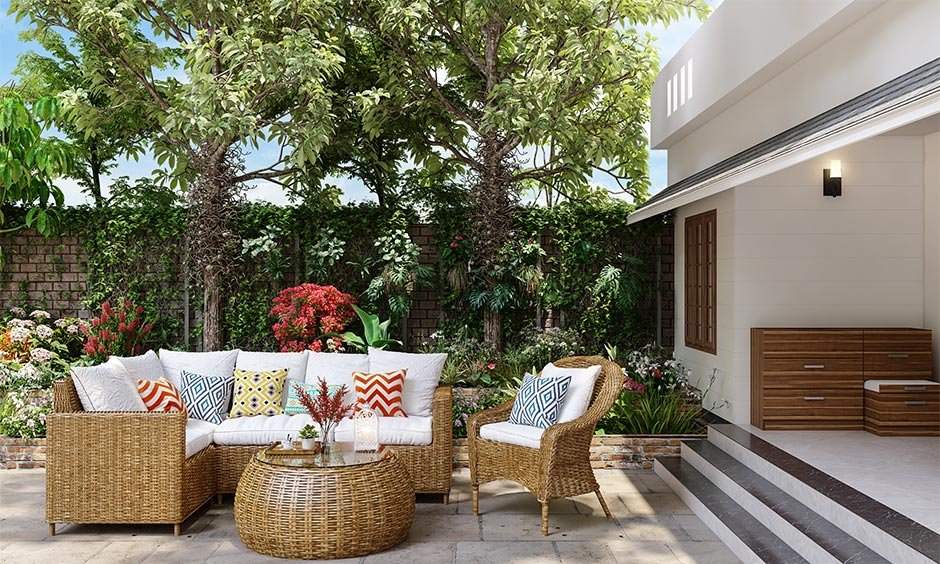
Texas summers are beautiful — but they can also be unforgiving. If your patio becomes too hot to enjoy during the warmest months, it stops being functional for half the year. The good news is that with smart design choices, you can create a patio that stays comfortable even when temperatures climb.

At Vicente Outdoor Living, we design patios tailored for real Texas weather. Whether you're building a new patio or upgrading an existing one, here’s how to create a space that feels inviting year-round — even in peak heat.

1. Choose Heat-Friendly Patio Materials

Not all patio materials perform the same under direct Texas sun.

Best materials for staying cool:

Light-Colored Concrete

  • reflects heat
  • stays cooler than darker finishes
  • great for large patios

Travertine or Natural Stone

  • naturally cool underfoot
  • elegant and timeless
  • ideal for poolside patios

Light-Toned Pavers

  • resist heat buildup
  • offer design variety
  • comfortable to walk on barefoot

Choosing a cooler material makes an immediate difference on hot days.

2. Add Shade — the Most Important Comfort Element

Shade is essential for outdoor comfort in Texas.

Shade options include:

  • pergolas
  • pavilions
  • retractable canopies
  • shade sails
  • covered patios
  • louvered roof systems

Even partial shade can drop temperatures significantly. Shade also protects your furniture and hardscape.

3. Position the Patio Strategically Around Sun Exposure

Placement matters when designing a patio you can use anytime.

Consider:

  • morning vs. afternoon sun
  • natural shade from trees
  • how the sun moves across the yard
  • areas that receive breezes

For example, west-facing patios get the harshest afternoon heat — adding overhead cover or using cooling materials is crucial in that direction.

4. Use Outdoor Fans To Keep Air Moving

Airflow dramatically improves comfort.

Great options include:

  • ceiling fans under pergolas
  • wall-mounted fans
  • standing outdoor fans
  • directional airflow systems

Moving air reduces humidity and helps cool down the space.

5. Incorporate Cooling Landscaping Around the Patio

Plants play an important role in temperature control.

Effective landscaping additions:

  • small shade trees
  • tall shrubs for sun-blocking
  • climbing vines for pergolas
  • native plants that tolerate heat

Landscaping cools the space, adds beauty, and softens the hardscape.

6. Add Light-Filtering Curtains or Screens

Curtains add a resort-style feel and help block harsh sunlight.

Benefits include:

  • UV protection
  • extra shade
  • privacy
  • improved comfort during peak sun

They’re especially useful on patios with afternoon exposure.

7. Choose Outdoor Furniture That Stays Cool

Some furniture materials heat up faster than others.

Best furniture options:

  • wicker
  • teak
  • aluminum with breathable cushions
  • mesh fabrics

Avoid dark metal surfaces without cushions — they absorb a lot of heat.

8. Add Cooling Features Like Misters or Water Elements

Water has a natural cooling effect.

Cooling additions include:

  • misting systems
  • bubbling fountains
  • small waterfall features
  • splash-friendly turf zones

These features make your patio more refreshing and enjoyable.

9. Use LED Lighting Instead of Heat-Producing Bulbs

Some outdoor lighting creates heat, especially halogen fixtures.

LED lights offer:

  • minimal heat output
  • better energy efficiency
  • softer, more comfortable lighting
  • longer lifespan

They’re perfect for warm climates.

10. Use an Open Layout To Encourage Airflow

A tightly packed patio traps heat. A breathable design helps keep things cool.

Try:

  • spacing furniture properly
  • avoiding oversized bulky pieces
  • arranging seating to catch breezes
  • keeping walkways open

Good airflow prevents stagnant hot pockets.

11. Add Potted Plants for Shade, Softness, and Moisture

Potted plants can act like natural cooling devices by releasing moisture and blocking direct sun.

Great options include:

  • tall palms
  • large leafy plants
  • potted trees
  • ferns in shaded zones

They make the patio feel cooler and more lush.

12. Consider an Outdoor Rug That’s Heat-Resistant

Outdoor rugs add comfort and style, but some absorb heat.

Choose:

  • light colors
  • breathable weaves
  • heat-resistant materials

This keeps the Patio surface more comfortable underfoot.

Ready To Build a Patio That Stays Comfortable in Texas Weather?

Tell us your vision, and we’ll design a patio that blends style, comfort, and smart heat-resistant features.