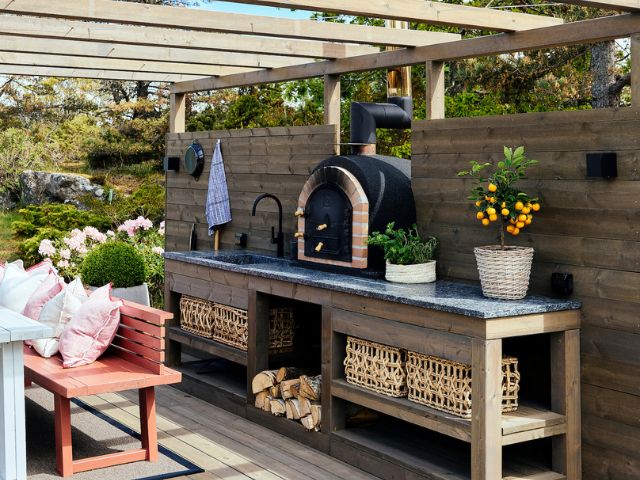
An outdoor kitchen is one of the most rewarding upgrades you can make to your backyard. But the secret to a great outdoor kitchen isn’t just choosing a grill or adding counter space — it’s designing a layout that fits your lifestyle, cooking habits, and how you enjoy hosting guests.
At Vicente Outdoor Living, we create outdoor kitchens that are personalized, functional, and built to last. If you’re thinking about building one, here’s how to design an outdoor kitchen that works the way you do.
1. Start by Understanding Your Cooking Style
Before choosing appliances or layout, think about how you cook.
Which type of cook are you?
The Weekend Griller
- loves simple grilling
- needs high-quality grill + prep space
- benefits from counter space on both sides
- may want a small fridge for drinks and sauces
The Entertainer
- hosts large groups
- needs seating near the kitchen
- benefits from a bar counter or island
- wants a durable, spacious prep zone
The Outdoor Chef
- cooks full meals outside
- may want side burners, sinks, and storage
- benefits from a smoker, pizza oven, or warming drawer
- needs generous countertops and built-in cabinetry
Knowing your cooking personality guides the design from the start.
2. Choose the Right Layout for Your Backyard
Outdoor kitchens come in several layouts, each with different advantages.
Straight-Line Kitchens
- great for small patios
- simple and functional
- easy to build under a pergola or wall
L-Shaped Kitchens
- adds more counter space
- creates natural zones for cooking/prep
- ideal for medium-sized patios
U-Shaped Kitchens
- provides maximum counter and appliance space
- perfect for dedicated outdoor living rooms
- great for large families or frequent hosting
Island Kitchens
- excellent for social cooking
- allows seating around the cook
- ideal for open-concept patios
Choosing the right layout ensures convenience and comfort.
3. Pick Appliances Based on How You Use Your Kitchen
Not every outdoor kitchen needs every appliance. Choose what fits your lifestyle.
Must-have appliances for most homeowners:
- built-in grill
- side burner
- outdoor refrigerator
Additional upgrades for serious cooks:
- flat-top griddle
- smoker
- pizza oven
- warming drawer
- beverage cooler
- sink and faucet
Choose appliances you’ll actually use to keep your kitchen simple and efficient.
4. Add Proper Counter Space (You Need More Than You Think)
Counter space is the number one factor people regret not adding enough of.
You’ll want room for:
- prepping ingredients
- resting meat
- serving trays
- drinks and snacks
- cutting boards
- small appliances
A good rule:
Have at least 24–36 inches of counter space on each side of your grill.
5. Choose Durable, Weather-Resistant Materials
Outdoor kitchens need materials that can withstand heat, sun, rain, and temperature swings.
Best materials include:
- stone or masonry fronts
- granite or concrete countertops
- stainless steel appliances
- polymer or steel cabinetry
- porcelain or stone backsplash
Avoid indoor materials — they don’t belong outdoors.
6. Design for Social Interaction, Not Isolation
The best outdoor kitchens make it easy for the cook to stay connected to guests.
Ways to keep things social:
- add bar seating
- face the grill toward the patio seating
- include a raised counter for serving
- place dining nearby
- avoid turning the cook away from the action
A great layout keeps the conversation flowing.
7. Include Good Lighting for Nighttime Cooking
Lighting is critical for safety and atmosphere.
Lighting options include:
- under-counter LED strips
- task lighting above the grill
- pendant lights under a pergola
- pathway lights around the area
- soft landscape lighting nearby
Lighting makes your outdoor kitchen functional long after sunset.
8. Add Shade for Comfort and Protection
Heat, sun, and weather can make cooking outside unpleasant — unless you include shade.
Popular shade options:
- pergolas
- patio covers
- pavilions
- louvered roofs
- retractable awnings
Shade helps protect appliances and keeps you comfortable while cooking.
9. Plan for Storage (It Makes a Huge Difference)
Storage keeps everything clean, easy to reach, and organized.
Useful storage options:
- utensil drawers
- spice cabinets
- trash pull-outs
- paper towel holders
- storage for serving trays
- deep cabinets for cookware
Well-designed storage eliminates trips inside the house.
10. Add a Seating Area That Complements the Kitchen
An outdoor kitchen feels complete when paired with a comfortable seating zone.
Great seating options include:
- bar stools
- outdoor sectionals
- dining sets
- built-in seating walls
- lounge chairs near a fire feature
Seating turns your outdoor kitchen into the center of your backyard.
11. Consider Ventilation, Especially Under Covers
Covered kitchens require ventilation to stay safe and comfortable.
Solutions include:
- vent hoods
- overhead fans
- open-air sides in a pergola
Proper ventilation prevents smoke buildup and protects your structure.
12. Choose a Design Theme for a Cohesive Look
Your outdoor kitchen should match your home and your landscape.
Popular themes:
- modern and minimal
- rustic stone
- Mediterranean
- transitional
- sleek contemporary
- warm farmhouse
Matching materials and colors creates a polished, intentional design.
Why Designing for Your Lifestyle Matters
A well-designed outdoor kitchen:
- makes cooking enjoyable
- makes hosting easier
- reflects your personality
- increases home value
- expands usable living space
- becomes a favorite hangout spot
It’s one of the most functional upgrades you can add to your home.