



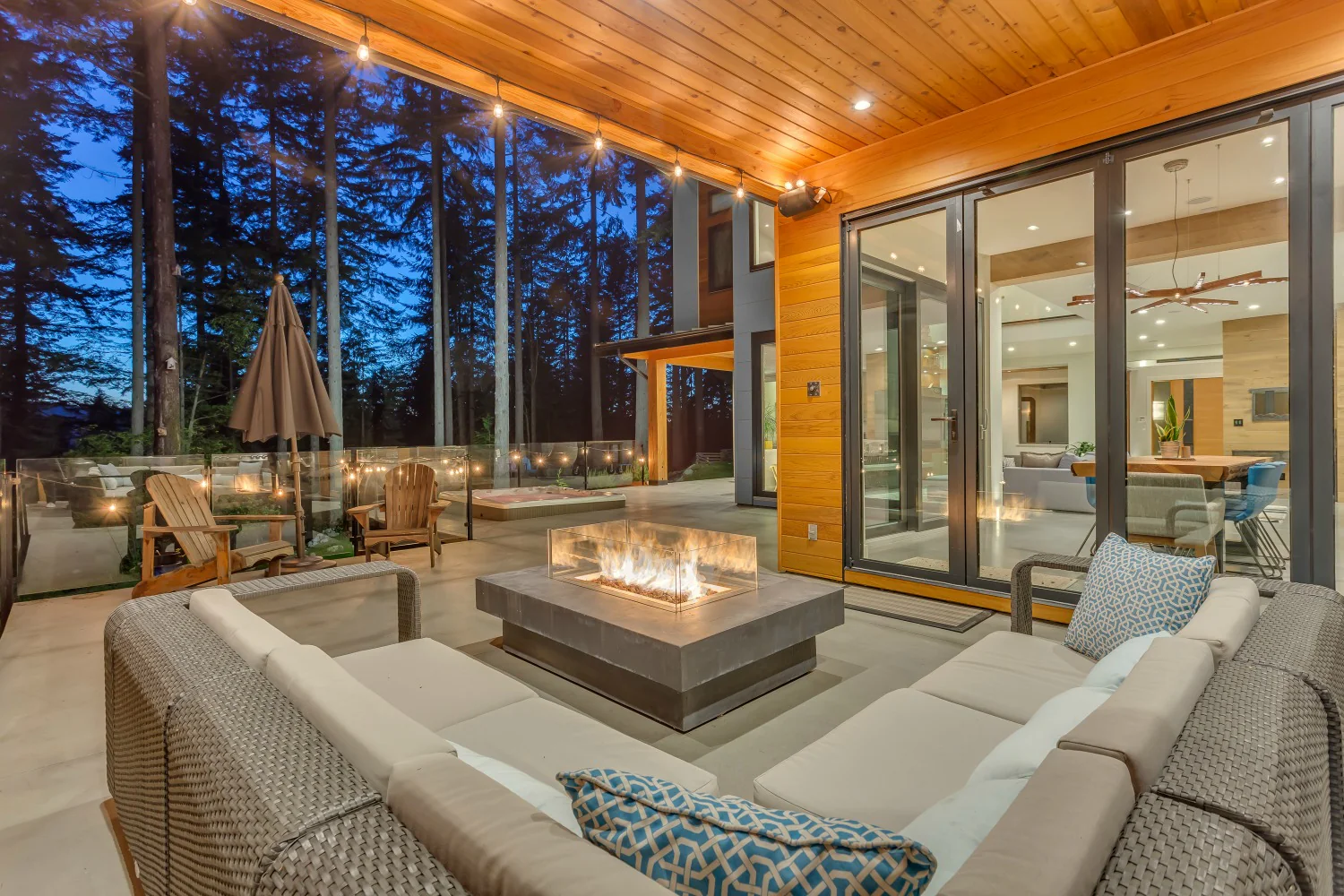
Outdoor living spaces often look beautiful in photos — but that doesn’t always mean they’re comfortable or practical for daily life. Many homeowners dream of using their patios, pergolas, or outdoor kitchens regularly, only to find that the layout, shade, furniture, or comfort level prevents them from truly enjoying the space.
At Vicente Outdoor Living, we design outdoor spaces with real-life use in mind. Spaces you’ll relax in after work, drink coffee in on the weekends, host friends in, or unwind in at the end of the day. If you want an outdoor area that becomes part of your everyday routine, here’s how to plan it the right way.
One of the biggest mistakes homeowners make is designing a space for the “idea” of outdoor living instead of how they actually live.
Your daily habits should guide the layout — not a generic trend or inspiration photo.
Outdoor spaces feel more functional when they’re divided into smaller, purposeful zones.
These dedicated sections make your space feel more intentional and easier to use.
If your outdoor space doesn’t have enough shade, you simply won’t use it often.
Shade transforms your patio from something you use occasionally into a daily living space.
Furniture is one of the most important pieces of the puzzle — uncomfortable seating leads to unused outdoor areas.
The more comfortable the seating, the more often you’ll use the space.
A beautiful outdoor space without airflow quickly becomes too hot.
Air movement makes your space comfortable even on warm days.
Lighting determines whether you’ll use your outdoor space after sunset — and for most homeowners, evenings are when they use it the most.
Lighting adds ambiance, safety, and comfort.
A fire feature is one of the easiest ways to make your outdoor space feel welcoming at night.
Fire features extend the time you can comfortably spend outside.
If your outdoor living area is hard to reach, you won’t use it daily.
Clear, easy access makes the space feel like a true extension of your home.
Small conveniences make a big difference in daily usability.
Functional surfaces keep the space tidy and practical.
If your outdoor space requires constant cleaning or upkeep, you’ll stop using it.
Choose materials designed for weather, wear, and daily use.
People use spaces more when those spaces reflect their personality.
These small details make your outdoor area feel inviting and lived in.
An outdoor space shouldn’t be limited to just a few months a year.
Seasonal design makes the space usable year-round.

Tell us your vision, and we’ll design a space that blends beauty, comfort, and everyday practicality.


