



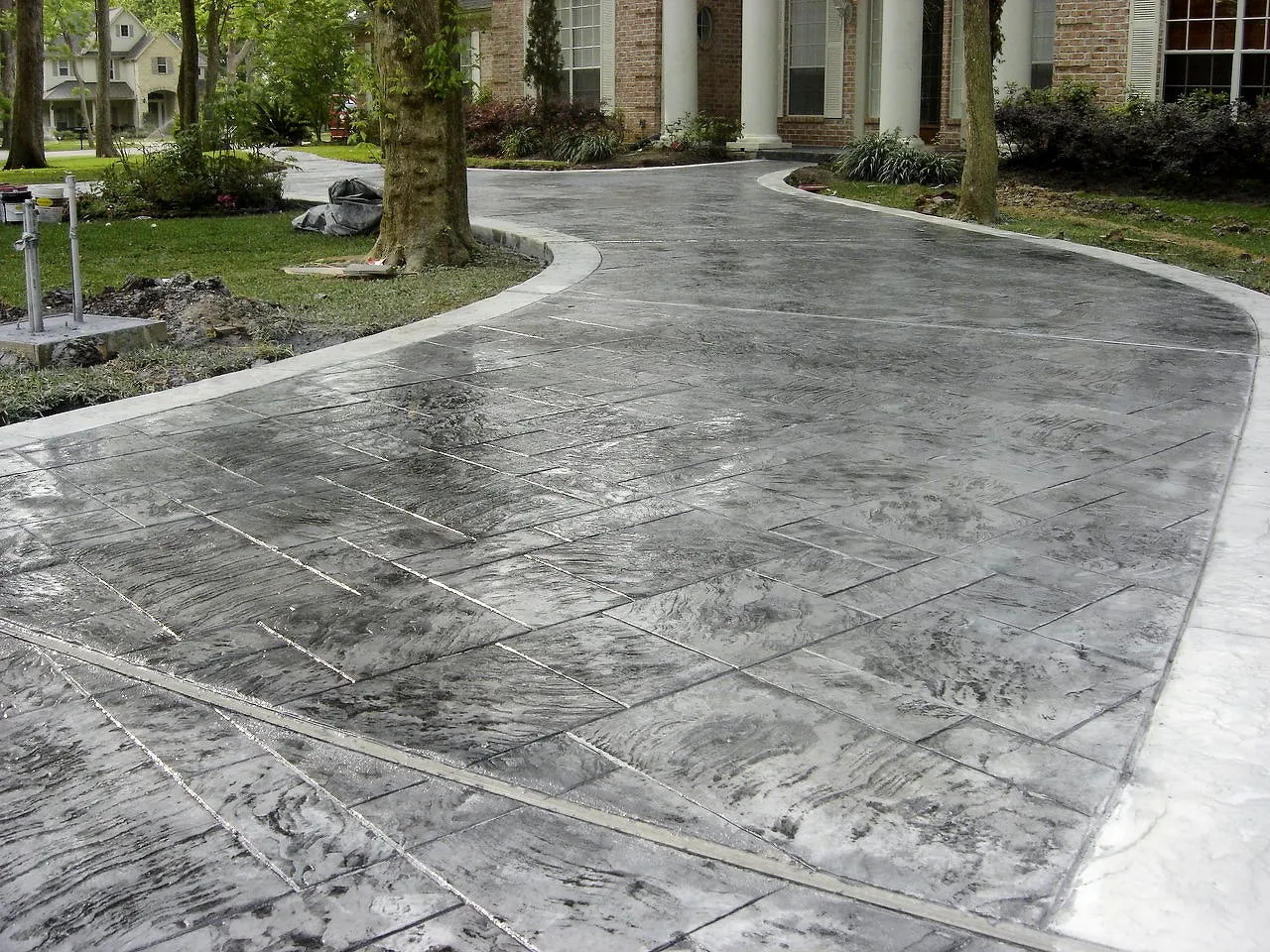
Your driveway isn’t just the place you park — it’s one of the first things people notice when they arrive at your home. A great driveway can elevate your curb appeal, make your home look more polished, and add long-term value. But when it comes time to replace or upgrade it, many homeowners end up asking the same question: Should I choose pavers or concrete?
Both driveway styles have their own benefits, price differences, and design strengths. At Vicente Outdoor Living, we install both types and help homeowners choose the option that best fits their home, lifestyle, and long-term goals. Below is an honest, easy-to-understand comparison so you can make the right decision.
Both pavers and concrete are strong materials, but they behave differently over time.
Concrete is poured as a single slab, which makes it strong and stable. When installed correctly with proper grading and expansion joints, it can last 25–30 years.
However, because it’s one large piece, concrete:
With good maintenance, though, concrete remains dependable for decades.
Paver driveways are made of individual interlocking stones. This design makes them extremely durable — often lasting 40+ years.
Because they’re flexible and installed piece by piece, pavers:
Pavers are one of the longest-lasting driveway materials available.
Both materials are low maintenance, but they differ in the type of care required.
Concrete needs occasional cleaning and, depending on the finish, resealing every few years.
Maintenance includes:
Most homeowners find concrete easy to maintain but difficult to repair once damaged.
Pavers are also low-maintenance and often easier to care for long-term.
Maintenance includes:
The biggest advantage?
If a paver gets stained or damaged, you simply replace that one piece.
This is where the biggest difference between pavers and concrete appears.
Concrete offers several style choices, such as:
Stamped concrete can mimic stone or brick, but skilled craftsmanship is important for realistic results.
Concrete works well for:
Pavers offer hundreds of combinations of:
They instantly create a high-end, tailored look.
Pavers can be:
If curb appeal is a priority, pavers always stand out.
Cost is one of the biggest factors homeowners consider.
Here’s a general overview:
Concrete driveways typically cost less upfront.
It’s faster to install and requires fewer materials.
However:
Pavers usually cost more upfront due to the detailed labor and material quality.
But they often cost less long-term because:
Many homeowners see pavers as an investment rather than an expense.
The process is different for each option.
Concrete installation is quicker:
Total completion usually takes less time, but you have to wait before parking on it.
Pavers take longer due to:
However, once installed, pavers can be used almost immediately.
This might be the deciding factor for many homeowners.
Concrete repairs can be:
A repaired concrete driveway almost always shows where patches were made.
Pavers are one of the easiest surfaces to repair:
The repair blends seamlessly, preserving the look of the entire driveway.
This is especially important in areas with rain or slope.
Concrete can become slippery when smooth or sealed, especially when wet.
Broom-finished concrete offers better traction.
Pavers naturally provide excellent traction due to their texture.
They’re ideal for:
Paver driveways consistently rank among the highest-return hardscaping upgrades because of their curb appeal and longevity.
Real estate agents often highlight them in listings.
Concrete can still add value, especially when well-designed, but pavers typically create a stronger impression.
Here’s a quick guide:
There’s no wrong choice — just the one that fits your home, budget, and style.
A well-built driveway enhances your home, improves functionality, and adds real value. Whether you choose concrete or pavers, quality installation is what determines how long it lasts.

Tell us the style you’re drawn to, and we’ll help design and install a driveway that enhances your curb appeal, boosts value, and stands the test of time.


