



When planning an outdoor upgrade, one of the most common questions homeowners ask is: Should I choose pavers or concrete?
Whether you're installing a new patio, walkway, or driveway, choosing the right material can make a big difference in durability, appearance, and long-term value. Understanding the pros and cons of pavers vs concrete helps you make a confident decision that fits your home and lifestyle.
Before comparing pavers vs concrete, it’s important to understand what each material offers.
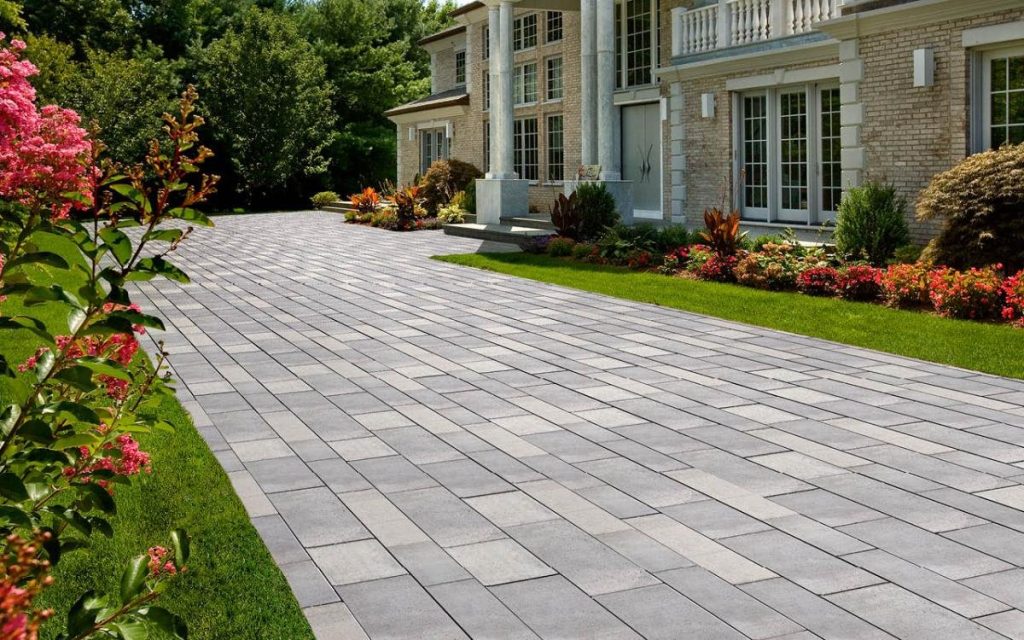
Pavers are individual stones, bricks, or concrete units installed piece by piece to create a surface. They’re commonly used for patios, walkways, and driveways.
Concrete is poured as a solid slab and can be finished in different ways, including smooth, brushed, or stamped designs.
Both options are popular, but they perform very differently over time.
When it comes to durability, pavers vs concrete is not a close competition.
Pavers are designed to handle movement. Because they are installed individually, they can shift slightly with the ground without cracking. This makes them ideal for areas with soil movement or changing weather conditions.
Concrete, on the other hand, is a solid slab. While it starts strong, it’s prone to cracking over time due to temperature changes, settling, or heavy loads.
Winner: Pavers
They offer better long-term durability and flexibility.
Another key factor in the pavers vs concrete decision is maintenance.
With pavers, if one section gets damaged or stained, you can simply replace that individual piece. Repairs are quick and cost-effective.
Concrete repairs are more complicated. If a crack forms, patching it often leaves visible marks, and in some cases, entire sections need to be replaced.
Winner: Pavers
They’re easier and cheaper to maintain over time.
For homeowners focused on curb appeal, this is where pavers vs concrete really stands out.
Pavers come in a wide variety of:
This allows for custom designs that match your home’s style and create a more upscale outdoor space.
Concrete can be customized with stamping or coloring, but it still tends to have a more uniform and less dynamic appearance.
Winner: Pavers
They offer more design flexibility and a premium look.
Cost is often the biggest deciding factor when comparing pavers vs concrete.
Concrete typically has a lower upfront cost, making it appealing for homeowners on a tight budget.
Pavers usually cost more initially due to materials and labor. However, they often provide better long-term value because they last longer and require fewer major repairs.
So while concrete may save money upfront, pavers can save money over time.
Winner: Depends on your goals
Understanding where each material works best can help finalize your pavers vs concrete decision.
Pavers are ideal for:
Concrete is ideal for:
If your goal is a visually appealing outdoor living space, pavers are typically the better choice.
Choosing between pavers vs concrete ultimately comes down to your priorities.
If you want:
Then pavers are the better option.
If your focus is:
Concrete may be the right fit.
For most homeowners investing in patios, outdoor living areas, or curb appeal, pavers provide the best balance of performance and aesthetics.
Both materials have their place, but when comparing pavers vs concrete, pavers consistently stand out for their durability, flexibility, and design appeal.
Your outdoor space is an investment, and choosing the right material ensures it not only looks great but also performs well for years to come.

Ready to upgrade your outdoor space with a solution that’s built to last? Vicente Outdoor Living specializes in designing and installing custom paver patios, walkways, and driveways with a seamless design-build approach from start to finish.


