



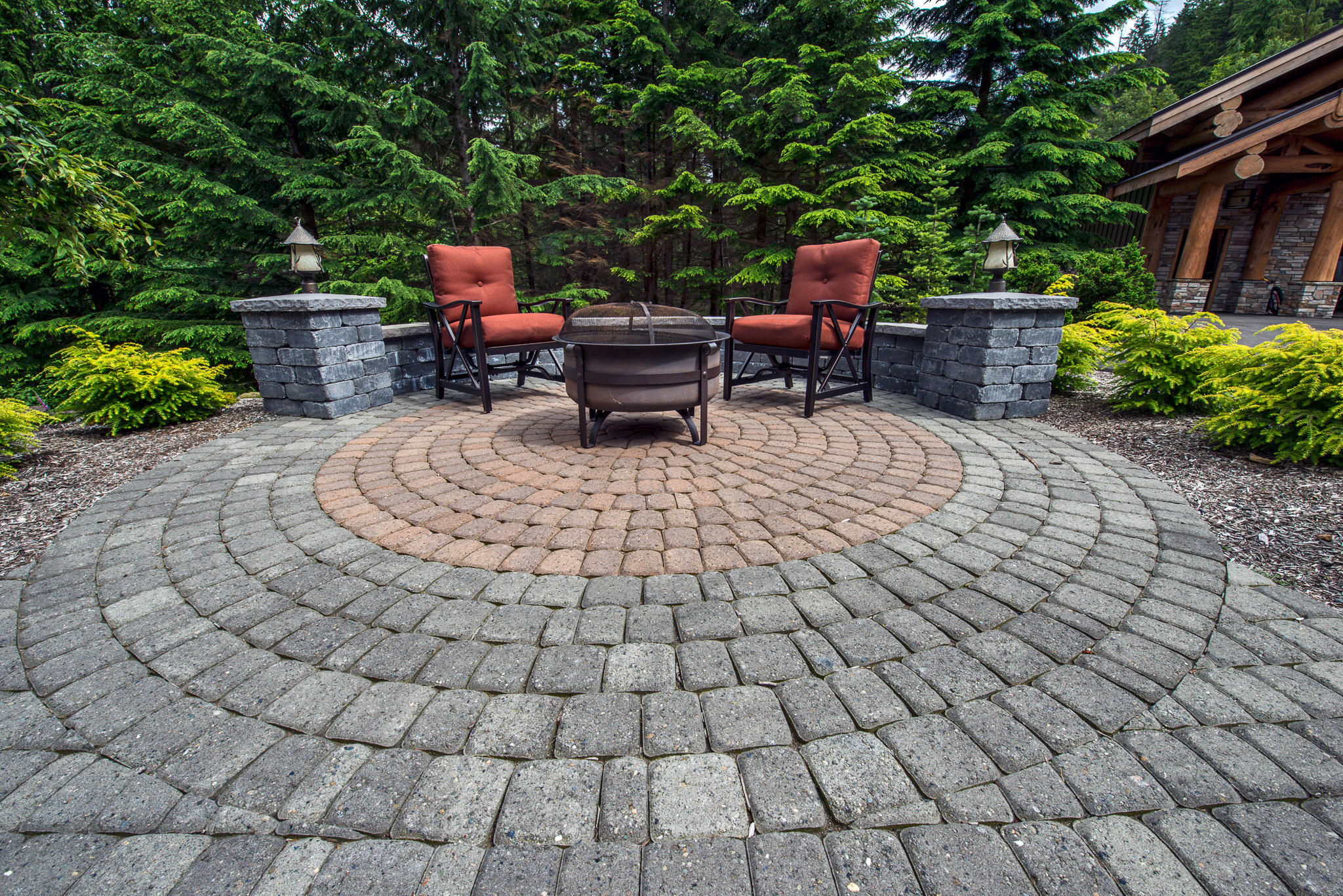
When you’re planning a new patio or driveway, one of the biggest decisions you’ll make is the material. Most homeowners end up comparing the two most common options: pavers and concrete. Both can create a beautiful outdoor space, but they perform very differently over time. The right choice comes down to durability, maintenance, appearance, long-term cost, and how you want the space to feel.
At Vicente Outdoor Living, we work with both materials every day, and we see firsthand how they behave in real, East Texas conditions. Below is a clear breakdown to help you choose what’s best for your home — without any confusing construction jargon.
Pavers are individual pieces of stone, brick, or concrete that are installed piece by piece. Because each unit is separate, the surface can flex slightly without cracking. That’s one of the biggest reasons homeowners choose pavers: they are strong, long-lasting, and look beautiful for decades.
Concrete is poured as one large, solid surface. It’s fast to install and usually costs less upfront, but because it is one connected piece, it can crack over time, especially in areas with shifting soil.
Below is a simple breakdown of how each option performs in the real world.
Pavers:
Pavers are known for their strength and flexibility. If the ground shifts, the joints between each piece allow movement without breaking the surface. This makes pavers incredibly durable, especially in areas with clay soil or drainage challenges.
Concrete:
Concrete is strong, but it’s also rigid. When the soil expands or contracts — which happens often in Texas — concrete can crack. Small cracks can grow over time and may require patching or a full replacement.
Winner: Pavers
They outlast concrete in most conditions.
Pavers:
Pavers require very little upkeep. If a single piece gets chipped or stained, you can replace just that one unit instead of repairing the entire surface. Routine sweeping, occasional power washing, and re-sanding every few years are usually all that’s needed.
Concrete:
Cracks are the biggest maintenance issue for concrete. Even with control joints, cracking can still happen. Once cracks appear, they are difficult to disguise. You also need to reseal concrete every few years to maintain its appearance.
Winner: Pavers
Long-term maintenance is easier, cheaper, and more flexible.
Pavers:
Pavers offer endless style options. You can choose from different textures, shapes, colors, borders, finishes, and patterns. Whether you want a modern look or something rustic and natural, pavers make it easy to match your home’s style.
Concrete:
Concrete is more limited visually. You can choose broom-finished, smooth, colored, or stamped concrete, but the customization stops there. Stamped concrete can look nice at first but tends to fade and lose detail over the years.
Winner: Pavers
If aesthetics matter, pavers are the clear choice.
Pavers:
Paver installation involves more steps — excavation, base preparation, leveling, laying each stone, and joint finishing. It takes longer, but this method is what makes them last.
Concrete:
Concrete installations are typically quicker because the process involves forming the area and pouring one solid slab.
Winner: Concrete (for faster installation)
But remember, faster does not always mean better long-term value.
Pavers:
Pavers generally cost more upfront, but they pay off over time because they last longer, look better, and require fewer repairs.
Concrete:
Concrete is usually more affordable on day one. However, repair costs and the possibility of replacement may offset the initial savings.
Winner: Tie
Concrete is cheaper at first.
Pavers offer better long-term value.
Whether you plan on selling soon or years down the road, the materials you choose can impact the perceived value of your home.
Pavers:
Paver patios and driveways tend to impress buyers. They look high-end and add curb appeal instantly.
Concrete:
Concrete is practical, but not usually a “wow” factor for buyers.
Winner: Pavers
They create a premium feel that stands out.
If your priority is the lowest upfront cost, concrete may be the better option.
But if you care about:
…then pavers are almost always the better investment.
Your backyard or driveway should be something you enjoy — not something you worry about cracking or replacing. Pavers simply offer a more dependable, long-lasting solution for most East Texas homeowners.
If you’re still unsure which material fits your home, lifestyle, and budget best, that’s exactly where we come in. At Vicente Outdoor Living, we help homeowners turn outdoor spaces into places they genuinely love — with craftsmanship that lasts.
We’ll walk you through your options, answer your questions honestly, and design a space that feels like a natural extension of your home.


