



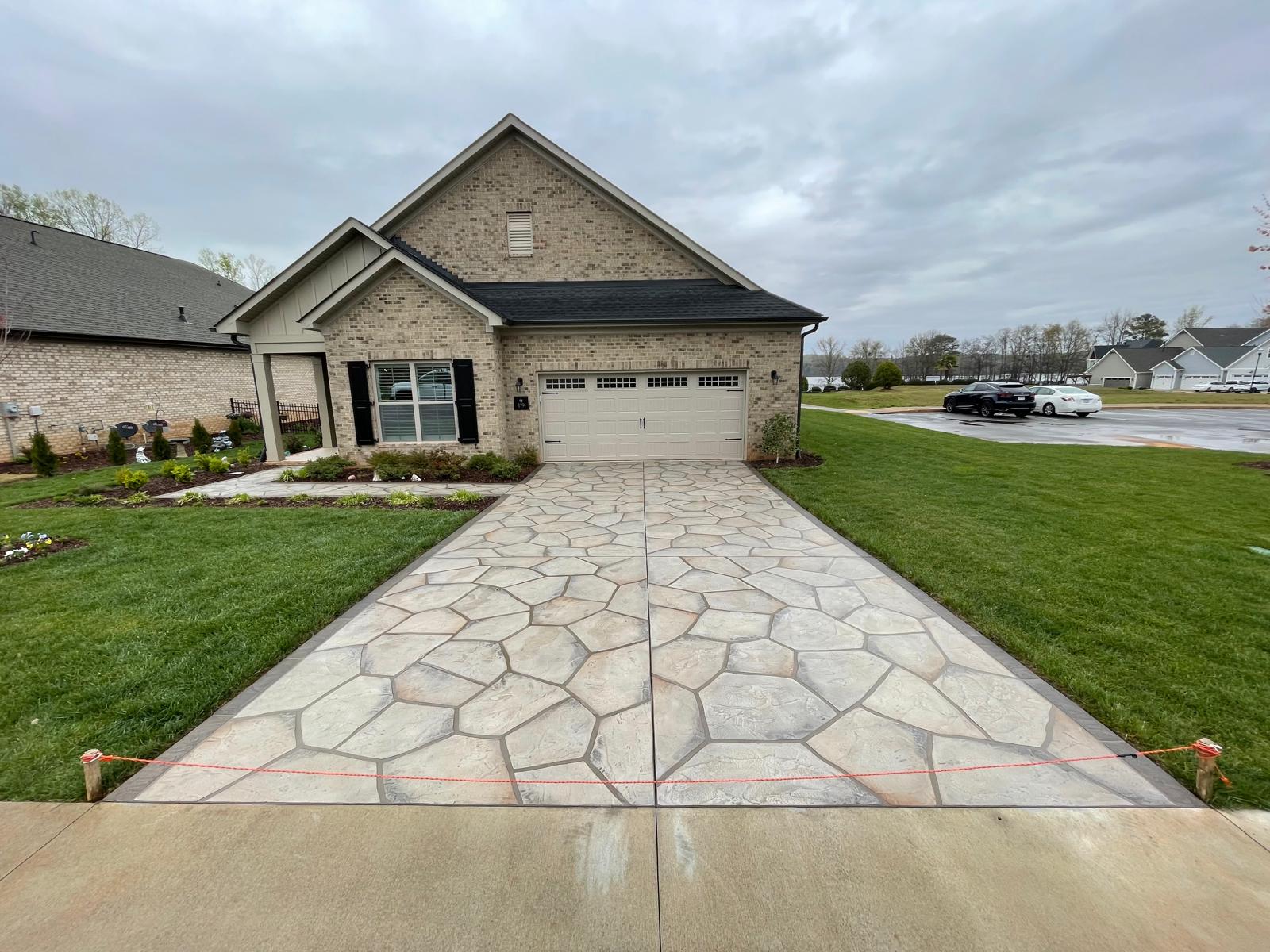
Cracked, uneven, or worn concrete is a common issue for homeowners — especially in Texas, where clay soil movement, weather changes, and age all take a toll. While small cracks or minor issues can often be repaired, there comes a point where repairing concrete becomes a temporary fix rather than a long-term solution.
At Vicente Outdoor Living, we help homeowners determine whether their concrete needs repair or a complete replacement. If you're unsure what your concrete really needs, here’s how to make the right call.
Small cracks happen — they’re normal. But if cracks continue reopening or spreading after multiple repairs, it’s usually a sign of deeper issues.
Repairing cracks over and over may only hide the symptom, not fix the problem.
If your concrete has shifted noticeably, replacement is usually the safest option.
Sunken slabs can lead to trip hazards, pooling water, and long-term structural damage.
Surface degradation (called “spalling”) happens when the top layer of concrete breaks apart.
If the issue is widespread, resurfacing won’t last — replacement is the stronger option.
Poor drainage around concrete can cause major problems.
If water consistently drains toward your home or forms puddles, replacing the concrete with proper grading is the right choice.
Roots can lift, crack, or completely displace slabs.
In these cases, repairs won’t hold — replacement (with root management) is necessary.
Concrete naturally weakens over time.
Replacing old concrete provides safer, longer-lasting results.
Sometimes repair quotes come close to replacement costs — but without the long-term value.
Replacement gives you a clean, safe, long-lasting surface.
Many homeowners replace concrete simply because they want something stronger or more beautiful.
Upgrading adds value and improves curb appeal.
Repairs can stretch the life of a slab, but they don’t eliminate the underlying issues.
It’s the best option for long-term performance.
Cracked or uneven concrete can create serious safety hazards.
Replacement eliminates these risks and restores peace of mind.
Damaged or outdated concrete can make your entire property look neglected.
A clean, updated surface instantly elevates any outdoor space.
If you're building:
…it’s often smart to replace damaged concrete at the same time. This creates a cohesive design and avoids future problems.
Here’s a quick guide:
When in doubt, a professional evaluation helps you make the right choice.

Tell us what issues you’re seeing, and we’ll recommend the best path for a strong, long-lasting solution.


