
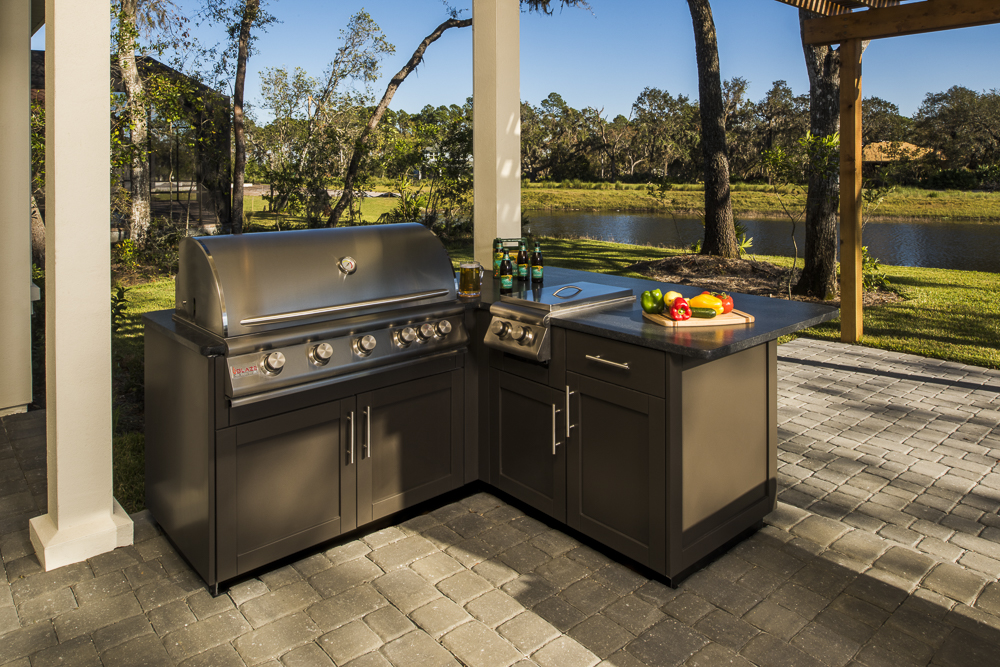
When people dream about an outdoor kitchen, they usually picture the big features — the grill, the countertops, the bar seating, the fridge, maybe even a pizza oven. And while those elements are important, it’s often the little design details that make an outdoor kitchen a joy to use in everyday life.

These small touches can determine how comfortable, convenient, and functional your outdoor cooking space really is. At Vicente Outdoor Living, we design kitchens that look incredible but also work flawlessly. If you're planning an outdoor kitchen, here are the often-overlooked details that truly elevate the experience.

1. Plenty of Counter Space (More Than You Think You Need)

Counter space is the #1 most requested feature — and the #1 regret when homeowners don’t plan ahead.

Counter space improves:

  • food prep
  • plating
  • serving
  • placing drinks
  • organizing utensils

Tip:

Plan at least 24–36 inches of space on each side of the grill whenever possible.

2. Putting the Grill in the Right Spot

The grill is the heart of your outdoor kitchen, but poor placement leads to frustration.

Avoid:

  • smoke blowing into seating areas
  • grill heat facing guests
  • placing the grill where it blocks traffic
  • putting it too close to the house

Better placement includes:

  • angled toward guests
  • open-air surroundings
  • clear side access
  • a wind-protected spot

Great placement makes grilling enjoyable, not uncomfortable.

3. Shade Over the Cooking Zone

Many homeowners shade the seating area but forget about the person cooking.

Shade options include:

  • pergolas
  • pavilions
  • louvered roofs
  • retractable awnings
  • integrated overhead canopies

Shade makes the grilling area usable even on hot afternoons.

4. A Well-Placed Trash Bin

A trash bin sounds simple, but it makes cooking significantly smoother.

Built-in trash helps with:

  • food prep cleanup
  • empty packaging
  • napkins, plates, and small waste
  • easy cleanup after gatherings

Hidden trash keeps the kitchen clean and clutter-free.

5. Electrical Outlets Exactly Where You Need Them

Most outdoor kitchens only have one outlet — but that’s rarely enough.

Outlets are useful for:

  • blenders
  • lights
  • fans
  • countertop appliances
  • phone charging
  • outdoor TVs

Proper outlet placement makes your kitchen far more functional.

6. Task Lighting Over Prep and Cooking Areas

Nighttime cooking can be difficult without good lighting — and firelight isn’t enough.

Add lighting for:

  • grill area
  • countertop space
  • bar seating
  • stair or step edges
  • walkways

Lighting extends how long you can enjoy the space.

7. A Counter “Landing Zone” Near the Grill

You need somewhere to set things down — especially hot plates or tools.

Landing zones help:

  • hold cooked food
  • rest utensils
  • place ingredients
  • keep everything within reach

It’s one of the most functional additions you can include.

8. Proper Ventilation for Covered Outdoor Kitchens

If your kitchen is under a pergola or roof, ventilation is crucial.

Ventilation prevents:

  • smoke buildup
  • heat accumulation
  • grease sticking to surfaces
  • poor air circulation

A vent hood or open-sided structure makes cooking more comfortable and safe.

9. A Small Sink for Quick Cleanups

Not everyone needs a full sink — but even a small one makes a difference.

A sink helps with:

  • rinsing hands
  • rinsing produce
  • washing utensils
  • cleaning up spills

It saves endless trips back and forth to the indoor kitchen.

10. Strategically Designed Bar Seating

Bar seating is one of the best parts of an outdoor kitchen — but only when it’s placed properly.

Make sure:

  • guests aren’t sitting behind the smoke
  • seating doesn’t block the cooking zone
  • seat height matches the counter
  • legroom is comfortable

Good seating layout encourages conversation without interrupting cooking.

11. Heat-Resistant Countertops That Match Your Cooking Style

Countertops face heat, spills, sunlight, and heavy use.

Best materials include:

  • granite
  • concrete
  • porcelain
  • natural stone

Avoid materials that discolor or warp under outdoor conditions.

12. Storage for Tools, Spices, and Serving Essentials

Outdoor kitchens without storage become frustrating quickly.

Useful storage includes:

  • drawers for utensils
  • cabinets for plates
  • space for grilling tools
  • shelves for spices or condiments

Organized storage makes cooking smoother and more enjoyable.

13. Wind Barriers for Consistent Cooking

Wind can blow out burners, affect flame consistency, or push smoke toward guests.

Wind-blocking solutions include:

  • privacy screens
  • stone half-walls
  • strategic placement near structures
  • outdoor shades

These keep cooking conditions more stable.

14. A Layout That Fits Your Cooking Flow

Everyone cooks differently — your layout should fit your habits.

Ask yourself:

  • Do you prep first, then grill?
  • Do you cook and chat with guests?
  • Do you need quick access to the fridge?
  • Do you plate food outdoors or indoors?

A layout that matches your rhythm feels effortless.

15. Choosing Materials That Stand Up to Texas Weather

Texas heat, humidity, and storms require durable materials.

Long-lasting choices include:

  • stainless steel appliances
  • stone or masonry fronts
  • weather-resistant cabinets
  • sealed countertops

Investing in quality means fewer repairs and a long-lasting kitchen.

Ready To Build an Outdoor Kitchen That Works Beautifully Every Day?

Tell us your ideas, and we’ll design a space that’s practical, stunning, and built for real outdoor living.