
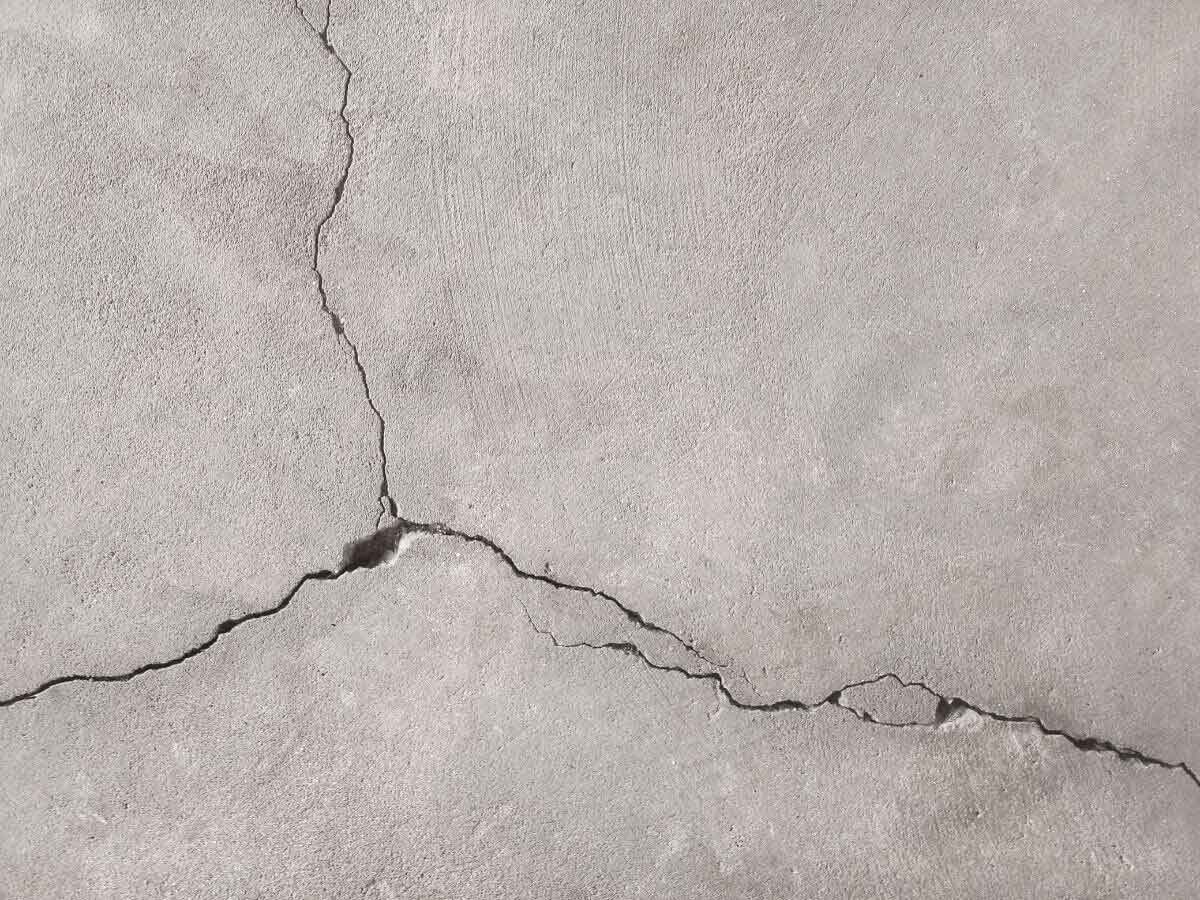
Concrete looks strong, solid, and permanent — which is why many homeowners are shocked when it cracks, sinks, or shifts within just a few years. The truth is, most concrete failures have nothing to do with the concrete itself. The real issue lies underneath: the base preparation.

At Vicente Outdoor Living, we build concrete patios, driveways, and walkways that last because we focus on what most people never see — the foundation. If you’re planning a concrete project, here’s why the base matters more than anything else.

1. The Base Determines How Long the Concrete Will Last

Concrete is only as strong as the ground beneath it.

A proper base ensures:

  • stability
  • load distribution
  • resistance to movement
  • long-term durability

A weak base guarantees future problems.

2. Poor Base Prep Causes Most Cracks

Cracks often start underneath the slab — not on the surface.

Common causes include:

  • soft soil
  • shifting ground
  • uneven compaction
  • trapped moisture
  • soil expansion and contraction

Good base prep minimizes movement and prevents cracking.

3. Soil Type Plays a Huge Role in Concrete Performance

Not all soil is suitable for concrete without preparation.

Problem soils include:

  • clay-heavy soil
  • sandy soil
  • loose or fill dirt
  • expansive soils that swell

Professionals evaluate soil conditions before pouring.

4. Compaction Is the Difference Between Success and Failure

Compaction removes air pockets and strengthens the base.

Proper compaction:

  • prevents settling
  • supports heavy loads
  • increases durability
  • stops sinking issues

Skipping this step is a shortcut that leads to guaranteed problems.

5. The Ideal Base Material Isn’t Just Dirt — It’s Crushed Stone or Road Base

Concrete needs a stable, drainable foundation.

A quality base includes:

  • crushed gravel
  • road base mix
  • compacted layers
  • moisture control

This allows the concrete to remain level and stable.

6. Thickness Matters — Both for the Base and the Concrete

Many cheap installations use too thin of a base.

Recommended base thickness:

4–6 inches minimum

Concrete thickness (depending on use):

  • walkways → 4 inches
  • patios → 4–5 inches
  • driveways → 5–6 inches

Thicker bases improve strength and longevity.

7. Drainage Must Be Considered Before Pouring

Water is concrete’s biggest enemy.

Good drainage prevents:

  • erosion underneath the slab
  • frost heave
  • soil expansion
  • sinking or sloping

The base should guide water away — not trap it.

8. Reinforcement Should Match the Project Needs

Concrete reinforcement is another hidden layer of strength.

Common options include:

  • rebar
  • wire mesh
  • fiber reinforcement

Skipping reinforcement shortens the life of the slab.

9. Base Preparation Affects How Smooth and Level the Concrete Looks

Even perfect finishing work can’t hide a bad base.

A strong base prevents:

  • dips
  • uneven spots
  • surface cracking
  • moisture pockets

Surface beauty depends on underground stability.

10. Heavy-Load Areas Require Extra Reinforcement and Better Base Prep

Driveways, parking areas, and hot-tub pads need structural upgrades.

These areas require:

  • thicker concrete
  • stronger base compaction
  • upgraded reinforcement
  • carefully planned slopes

Cheap work in high-load areas fails quickly.

11. Many Contractors Skip Proper Base Prep To Save Time

Unfortunately, base preparation is the step most commonly rushed or skipped in budget installs.

Signs of bad prep include:

  • uneven ground
  • no gravel base
  • no compaction equipment
  • immediate cracking
  • sinking within months

You get what you pay for — especially with concrete.

12. A Well-Prepared Base Increases Property Value

Long-lasting concrete improves:

  • curb appeal
  • structural safety
  • home value
  • long-term ROI

A strong foundation ensures your investment lasts decades.

Ready To Build Concrete That Stays Strong for Decades?

Tell us your project goals, and we’ll design a concrete surface with a foundation built for long-term performance.