



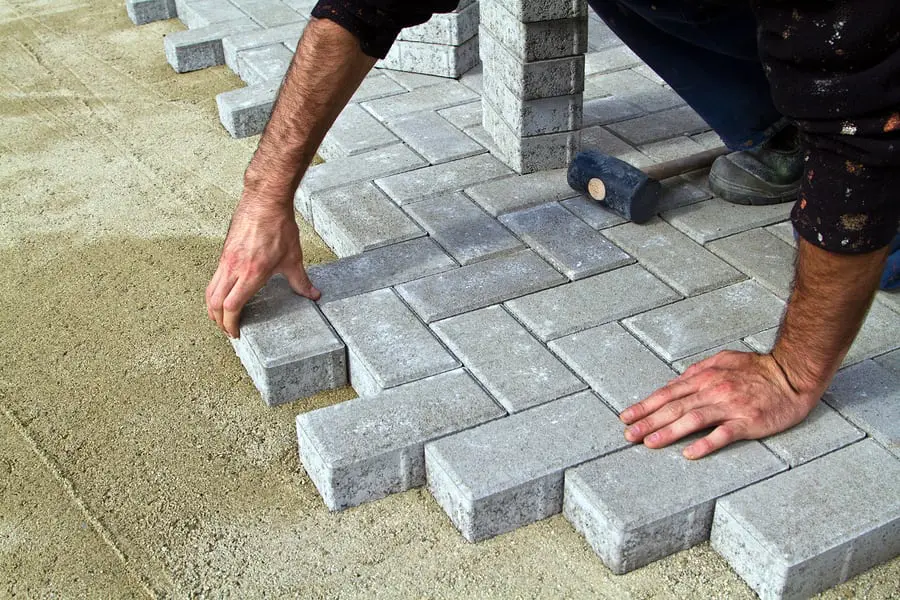
A paver patio is one of those backyard upgrades that instantly changes the way your outdoor space feels. It looks clean, inviting, and finished — but the real appeal goes beyond the look. Homeowners love paver patios because they’re incredibly durable and built to last. But how long do they actually last? And what can you do to keep yours looking beautiful for years?
At Vicente Outdoor Living, we build paver patios all across East Texas, and with the right installation and minimal upkeep, a well-built paver patio can last decades. Below is a simple, honest breakdown of what affects the lifespan of a paver patio and how you can make sure yours stays in great shape.
A high-quality paver patio that’s installed correctly can last 30 years or more. In many cases, it lasts much longer because individual pavers can be replaced without affecting the overall design. That flexibility is what makes pavers so dependable compared to poured concrete.
Where concrete can crack, crumble, and eventually need replacement, pavers stay intact because each stone can move slightly without breaking. This small detail is what makes a big difference long term.
There are several reasons paver patios last so long, especially in areas with shifting soil and changing weather.
A patio is only as good as the base beneath it.
A proper paver installation includes:
When the ground is prepared the right way, the patio stays level and stable for decades. Skipping any of these steps is the fastest way to shorten the lifespan of a patio, which is why hiring a professional matters.
Concrete is one large piece.
Pavers are hundreds of small pieces.
That difference matters.
When the ground shifts — and in East Texas, it always does — concrete tends to crack under pressure. Pavers, on the other hand, move slightly without breaking. The joints between each piece absorb ground movement and protect the installation from damage.
This flexibility is a big part of why pavers have such a long life expectancy.
Pavers are built to handle:
Quality pavers have a high PSI (pounds per square inch), meaning they resist pressure and wear. They don’t fade quickly, they don’t spall like concrete, and they hold up well against foot traffic, outdoor furniture, and weather.
One of the biggest advantages of paver patios is how simple repairs are.
If a paver becomes chipped or stained, you can swap out just that one piece.
If a small area settles, you can lift, re-level, and replace the pavers without tearing up the entire patio.
This ability to repair small issues quickly is a big reason paver patios can last for decades.
Even though pavers are known for longevity, certain factors can influence how long your patio lasts.
Poor preparation is the number one reason patios fail early.
Common problems include:
These shortcuts might not show right away, but over time you’ll see shifting, sinking, or spreading. That’s why professional installation is key — especially for outdoor living spaces that need to last.
If water isn’t directed away from your patio, it can cause long-term issues.
Proper grading ensures rainfall drains correctly, preventing erosion under the base.
A well-built patio will include:
Without these, even good materials won’t last.
Fortunately, paver patios don’t require much maintenance. But a little attention goes a long way.
Simple upkeep includes:
These small steps help maintain color, stability, and cleanliness over time.
Not all pavers are equal.
High-quality pavers resist:
Cheaper materials may save money upfront but usually require more repairs and don’t age as gracefully.
Here are a few homeowner-friendly tips to get the most life out of your patio:
With these simple habits, your patio can maintain its strength and beauty for decades.
Absolutely.
While pavers may cost more upfront than concrete, they pay off long term. The durability, repairability, and classic appearance make them one of the smartest outdoor investments you can make — especially if you want a space that continues to look great without major repairs.
A well-built paver patio adds value, improves functionality, and creates a space you’ll enjoy every time you walk outside.

If you’re thinking about adding a paver patio or upgrading your outdoor space, we’d love to help. At Vicente Outdoor Living, we design and build patios that look beautiful, fit your lifestyle, and stand the test of time.
Tell us your vision, and we’ll guide you through design, materials, pricing, and every step of installation — with craftsmanship that truly lasts.


