
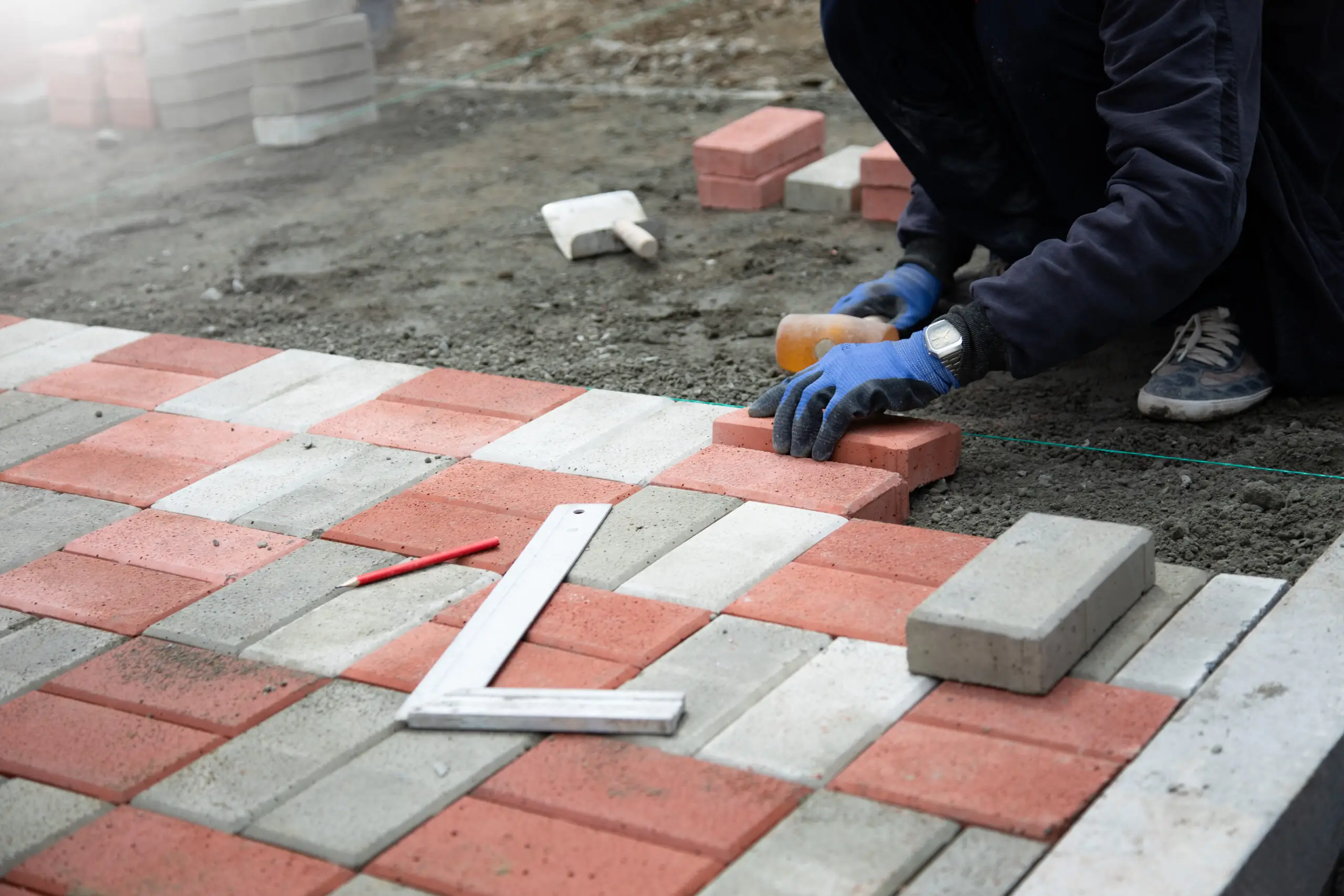
Paver patios, walkways, and driveways add lasting beauty, strength, and value to any outdoor space — but only when they’re designed correctly. Even the highest-quality pavers won’t look or perform their best if the layout, base prep, or design choices fall short.

At Vicente Outdoor Living, we’ve seen it all: sinking pavers, uneven surfaces, mismatched styles, drainage issues, and layouts that don’t work with how people actually use their space. Most of these problems could’ve been avoided with good planning and proper installation.

To help you get the best results, here are the most common paver design mistakes homeowners make — and how to make sure your project turns out beautifully.

1. Skipping a Proper Base (The #1 Cause of Paver Failure)

No matter how beautiful your paver choice is, the base determines how long it lasts. When homeowners or inexperienced installers rush the base prep, issues show up quickly.

Problems caused by a poor base include:

  • sinking or shifting pavers
  • uneven surfaces
  • pooling water
  • cracking
  • weeds growing through joints

Correct approach:

A proper paver base requires:

  • deep excavation (usually 6–12 inches)
  • compacted road base material
  • proper grading for drainage
  • edge restraints

The base is not the place to cut corners — it’s the foundation of the entire project.

2. Choosing the Wrong Paver Style for the Home

Not all pavers fit every home. A mismatch between paver style and architecture can make the design feel off.

Common style mistakes:

  • modern pavers used with rustic homes
  • busy patterns that overwhelm small yards
  • colors that clash with the home’s exterior
  • mixing too many different shapes

Correct approach:

Match pavers to:

  • your home’s architectural style
  • your patio shape
  • the landscape design
  • hardscape materials already present

A cohesive design makes your outdoor space feel polished.

3. Forgetting About Drainage

Water is one of the biggest threats to paver patios and walkways. Without proper drainage, water settles where it shouldn’t and causes long-term damage.

Issues caused by poor drainage:

  • erosion under the pavers
  • standing water
  • mold or mildew
  • shifting
  • freeze-thaw damage

Correct approach:

Professional installers make sure:

  • the patio slopes away from the house
  • retaining walls don’t block drainage
  • catch basins or drains are installed when needed
  • water flows properly around your yard

Good drainage protects your investment.

4. Picking Paver Colors Without Considering Sunlight

Paver colors can look very different under direct sunlight compared to shade or indoor lighting.

Common color mistakes:

  • choosing pavers indoors without seeing them outside
  • picking colors that wash out in bright sun
  • selecting tones that don’t match landscaping

Correct approach:

Always evaluate:

  • color samples outdoors
  • pavers in different times of day
  • how light affects tone and warmth

Choosing the right color ensures your patio looks great year-round.

5. Ignoring the Importance of Borders and Edging

Borders aren’t just decorative — they keep pavers locked tightly in place.

Problems from skipping borders:

  • pavers spreading or drifting
  • joints separating
  • edges becoming uneven
  • visual imbalance

Correct approach:

Add borders using:

  • contrasting pavers
  • soldier-course edging
  • complementary tones
  • clean, well-aligned lines

Borders create structure and a high-end appearance.

6. Using Only One Size or Shape in Large Spaces

In large patios or walkways, single-format pavers can make the space feel flat or plain.

Common issue:

  • large areas lack interest
  • the design feels monotonous

Correct approach:

Use:

  • modular patterns
  • a mix of sizes
  • accent inlays
  • varied textures

This adds dimension and character without overwhelming the space.

7. Choosing a Pattern That Doesn’t Fit the Space

Paver patterns can make your patio feel bigger, smaller, wider, or more dynamic — but choosing the wrong pattern limits your design.

Common mistakes:

  • herringbone patterns in narrow spaces (can feel too busy)
  • running bond in large areas (can feel too simple)
  • grid patterns that don’t match walkways

Correct approach:

Match patterns to the area:

  • herringbone for driveways or pathways needing strength
  • modular for patios
  • running bond for long walkways
  • stacked bond for modern styles

Pattern should enhance the space, not clash with it.

8. Forgetting About Future Furniture Layout

The patio layout needs to match how you plan to use the space.

Common mistakes:

  • patio too small for the intended furniture
  • poor walking flow
  • fire pit installed too close to seating
  • outdoor kitchen placed in awkward spots

Correct approach:

Plan for:

  • furniture clearance
  • seating arrangement
  • walking paths
  • shade locations
  • placement of fire features

A well-planned patio supports your outdoor lifestyle.

9. Overlooking Lighting Around Paver Areas

Lighting transforms pavers at night, but many homeowners forget to include it in their design.

Lighting elevates:

  • walkways
  • steps
  • retaining walls
  • seating walls
  • patio borders

Correct approach:

Add:

  • under-cap LED lighting
  • path lights
  • step lights
  • soft landscape lighting

Lighting makes your paver areas safer and far more inviting.

10. Not Hiring a Professional Installer

Pavers look simple — but installation requires precision, experience, and engineering.

Common DIY problems:

  • uneven joints
  • poor grading
  • premature settling
  • crooked lines
  • drainage failures

Correct approach:

Work with professionals who ensure:

  • proper excavation
  • correct compaction
  • expert leveling
  • high-quality craftsmanship
  • a long-lasting structure

Professional installation guarantees durability and beauty.

Ready To Build a Paver Patio or Walkway That’s Beautiful and Built to Last?

Tell us your ideas, and we’ll design a custom paver layout that avoids all the common mistakes and elevates your outdoor space.