



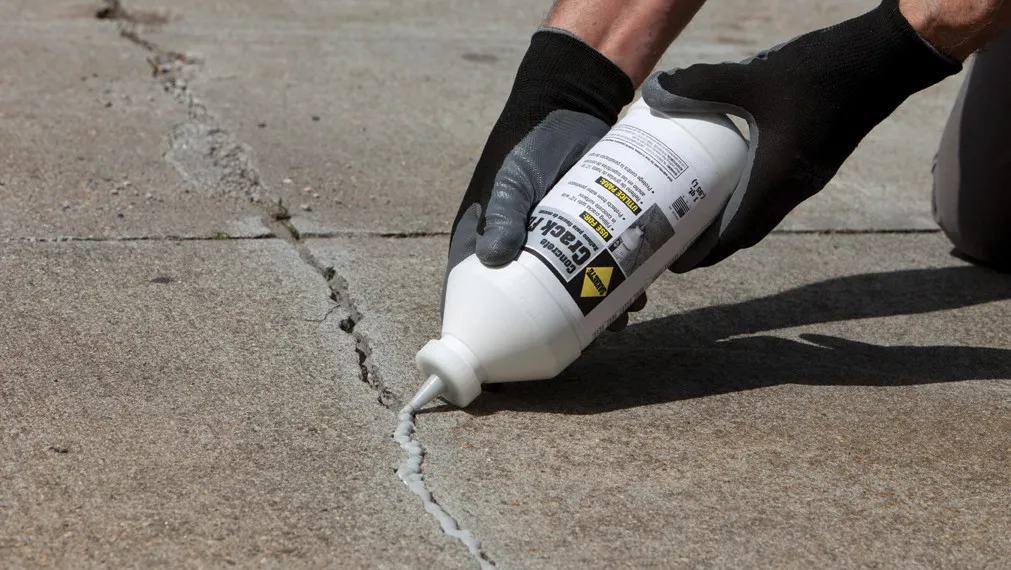
Concrete is durable, dependable, and made to last — but like anything exposed to weather, heavy use, and time, it eventually shows signs of wear. The good news is that many concrete problems can be fixed if they’re addressed early. But left alone, minor issues can grow into costly repairs or full replacements.
At Vicente Outdoor Living, we help homeowners determine whether their concrete can be repaired, resurfaced, or if it’s time for a complete replacement. If you’re unsure about your driveway, patio, walkway, or slab, these are the top signs to look for.
Small hairline cracks are normal as concrete naturally expands and contracts. The issue is when cracks grow wider, longer, or begin to spread in multiple directions.
Expanding cracks almost always need professional repair — or replacement if the foundation is compromised.
If a section of your concrete drops lower than the surrounding area, you may be dealing with soil erosion or poor base preparation.
Uneven concrete is not just a cosmetic issue — it’s a safety hazard.
Concrete should always direct water away from your home. Standing water suggests a problem.
Water damage accelerates cracking, erosion, and structural failure.
If the top layer of your concrete is chipping, flaking, or peeling away, this is called spalling.
Spalling spreads quickly once it starts — resurfacing or replacement is usually required.
Concrete can stain over time, especially from oil, rust, or plant material. Occasional discoloration is normal, but deep, permanent stains can indicate deeper issues.
If the integrity of the concrete is affected, it may need more than a cleaning.
The edges of patios, driveways, and walkways experience the most stress.
Strong edges are essential for long-term durability.
Concrete is installed with control joints to prevent random cracking. If those joints begin to separate or widen, it’s usually a sign of structural movement.
Narrow gaps can be filled, but larger ones require deeper repair.
Tree roots growing under concrete can cause sections to lift unevenly.
If lifting continues, the concrete must be repaired or replaced — possibly with root barriers installed.
Over time, concrete may become rough, pitted, or eroded.
This type of decay usually requires resurfacing or a new pour.
If you see large cracks at structural seams, this may be a sign the slab has shifted or sunk.
This typically requires replacement or section repair.
Consistent moisture causes organic growth that can weaken concrete.
Cleaning helps, but long-term moisture issues must be addressed.
Even well-maintained concrete eventually weakens.
Age alone isn’t always a reason to replace — but it often contributes to other problems.
A professional assessment helps determine the safest, most cost-effective solution.
Fixing issues early prevents:
Well-maintained concrete protects your home and keeps your outdoor space looking clean and beautiful.

Tell us what you’re seeing, and we’ll help you determine whether repair or replacement is the best solution.


