



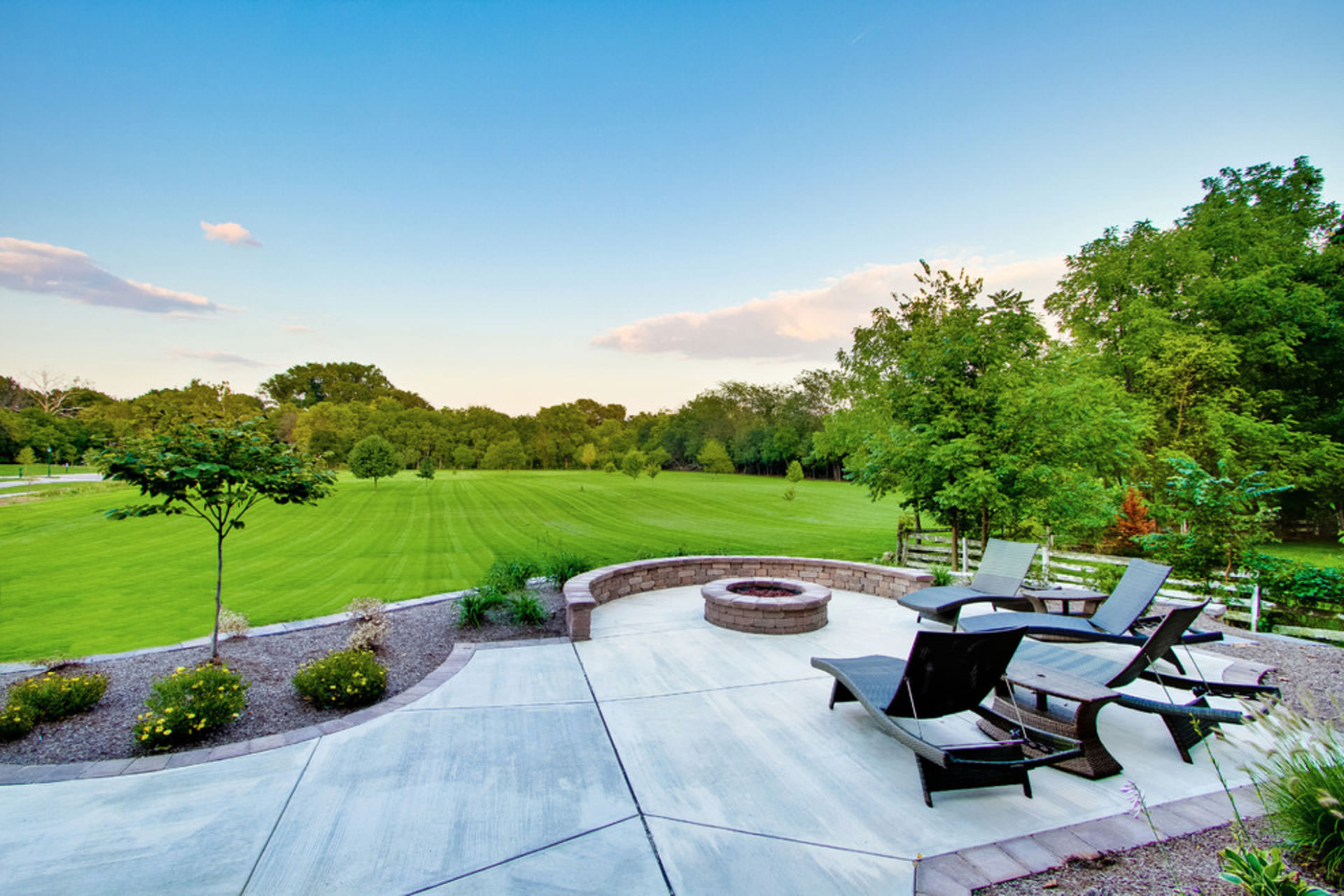
Choosing a patio material seems simple… until you realize how many options there really are. Concrete, pavers, natural stone, stamped patterns, porcelain, gravel — each one has its own strengths, maintenance needs, and visual style. The right material can make your patio comfortable, beautiful, and long-lasting. The wrong one can lead to regrets, repairs, or even a patio you don’t enjoy using.
At Vicente Outdoor Living, we help homeowners navigate these choices every day. If you're planning a new patio and want it to look amazing for years to come, here are the key things you should think about before picking your material.
Different materials age differently depending on climate, foot traffic, and usage.
These materials withstand heat, rain, heavy use, and long-term wear.
If longevity is your priority, choose something engineered to last decades — not just a few years.
Every material requires some level of upkeep.
Be honest with yourself about how much maintenance you’re willing to do.
Some materials get extremely hot in the Texas sun.
Your comfort matters just as much as the look.
Safety is especially important around pools or in shaded, damp areas.
Smooth materials look beautiful, but they aren’t always the safest for outdoor use.
Your patio material should match your home’s architecture and the overall outdoor design.
The goal is a patio that feels cohesive — not like an add-on.
Different materials have different price ranges — but price isn’t the only factor.
Cheap materials cost more in repairs.
Quality materials last longer and look better.
The key is balancing cost with long-term durability.
A beautiful patio won’t last long if water pools on its surface.
The material must work with — not against — your yard’s drainage.
How you plan to use the patio determines the best material.
Choose materials that support table legs and chairs.
Comfort and heat resistance matter most.
Heat-safe and easy-to-clean materials are important.
Slip resistance and cool surfaces are key.
Define the purpose first — then choose your material.
If you plan to add a pergola, outdoor kitchen, fire feature, or walkway later, your material choice should support that future vision.
Planning ahead ensures your outdoor space looks cohesive as it grows.
Some materials offer tons of customization, while others are more limited.
Choosing a material with enough flexibility helps you create a patio that feels personal and stylish.
Texas weather is a mix of heat, rain, and rapid temperature swings, so choose materials that can handle it.
Soft stones or absorbent materials may not hold up as well long-term.
Even the best material will fail if installed incorrectly.
A stable foundation is everything.

Tell us your vision, and we’ll guide you toward the best material for your lifestyle and outdoor space.


