



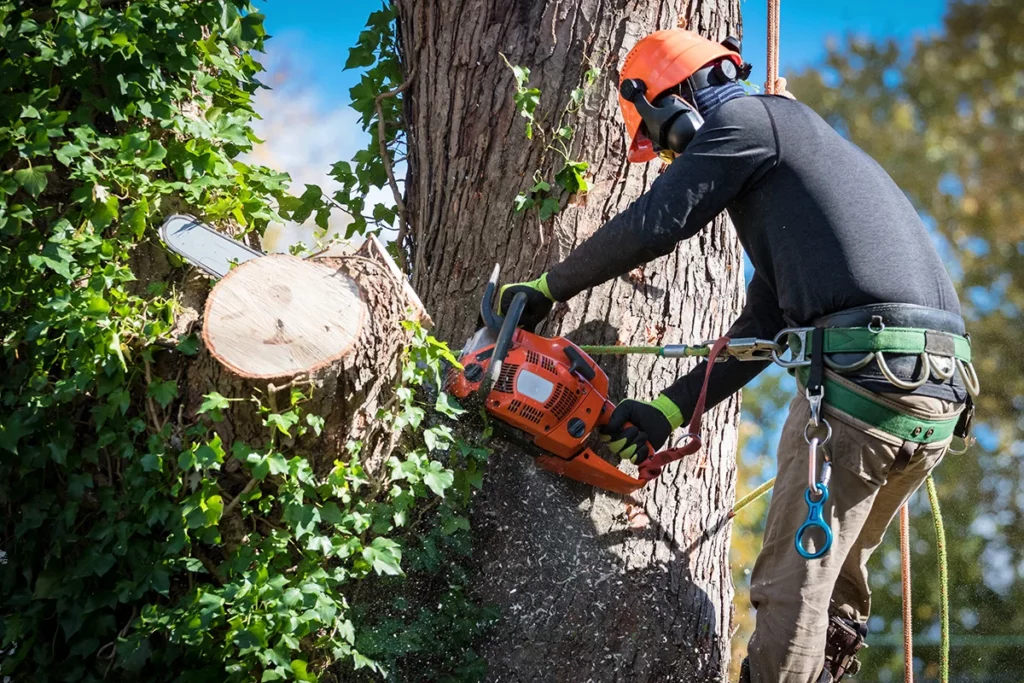
Trees are one of the most valuable features of any outdoor space. They add shade, beauty, privacy, and character. But as important as trees are, there are times when one becomes unsafe — or simply outgrows the space around it — and needs to be professionally removed.
Many homeowners aren’t sure how to tell when a tree is becoming a hazard. Maybe it’s leaning, losing branches, or showing signs of decay. Maybe it’s getting too close to your home, driveway, or power lines. Whatever the situation, knowing when to call a professional is key to keeping your property safe.
At Vicente Outdoor Living, we help homeowners maintain their trees and remove them when necessary. Below is a clear guide to help you understand when a tree needs attention and how to make the best decision for your yard.
Trees don’t fail suddenly — they show warning signs first. Here are the most common things to look for.
A slight lean is normal, especially for older trees. But when a tree begins leaning significantly or suddenly shifts direction, that's a sign something is wrong below the surface.
A leaning tree can indicate:
A tree leaning toward your home, driveway, or a high-traffic area is especially dangerous.
All trees shed branches, but consistent falling limbs — especially large ones — can signal a deeper problem. Dead branches, also called “widowmakers,” are unstable and unpredictable.
If branches frequently:
…it’s time to get the tree evaluated.
A hollow trunk doesn’t always mean the tree is unsafe, but it does mean the tree needs attention. Decay can weaken the structure, making it more likely to fall.
Watch for:
These signs often indicate internal decay.
Trees planted too close to structures can cause long-term issues. Roots can spread under:
Branches that touch or hover over your roof can cause damage, create pest pathways, and increase storm risk.
If a tree is crowding your home, removal may be the safest option.
Severe weather can weaken or split a tree. After heavy winds or storms, watch for:
Even if the damage isn’t visible from a distance, internal fractures may make the tree unsafe.
Tree diseases spread quickly and can affect nearby healthy trees. Signs of disease include:
If a tree is diseased, removing it may protect the rest of your landscape.
Tree removal may look simple from the ground, but it’s one of the most dangerous outdoor projects a homeowner can attempt on their own. Even small trees can be unpredictable.
Professionals bring the expertise and equipment needed to:
A single wrong cut can cause thousands of dollars in damage — or much worse.
Here’s what you can expect when hiring a tree service team.
Every removal starts with a detailed assessment:
A strategy is created based on the safest and most efficient method.
Instead of cutting the entire tree at once, professionals remove it in sections. This ensures full control and avoids uncontrolled falls.
Cranes, ropes, and precision tools are often used to protect your home and yard.
Once the limbs are gone, the trunk is removed piece by piece. The area is cleaned, debris is hauled away, and the space is left safe and tidy.
You can choose to remove the stump completely using a grinder.
Benefits of stump grinding include:
Many homeowners choose stump removal to get a clean, usable space.
Not every problematic tree needs to be cut down. In many cases, trimming or pruning can restore the tree’s health and safety.
Trimming is usually the right option when:
Professionals can help determine whether trimming is sufficient or if removal is necessary.
While it can feel difficult to remove a mature tree, it often leads to positive changes in your yard:
Sometimes removing one problem tree opens the door to a stronger, healthier outdoor design.
If you’re noticing warning signs or you’re unsure whether a tree on your property is safe, it’s best not to wait. Tree issues tend to get worse — and more dangerous — over time.

Tell us what you’re concerned about, and we’ll take a look, give honest recommendations, and provide safe, professional tree removal or trimming to protect your home.


