
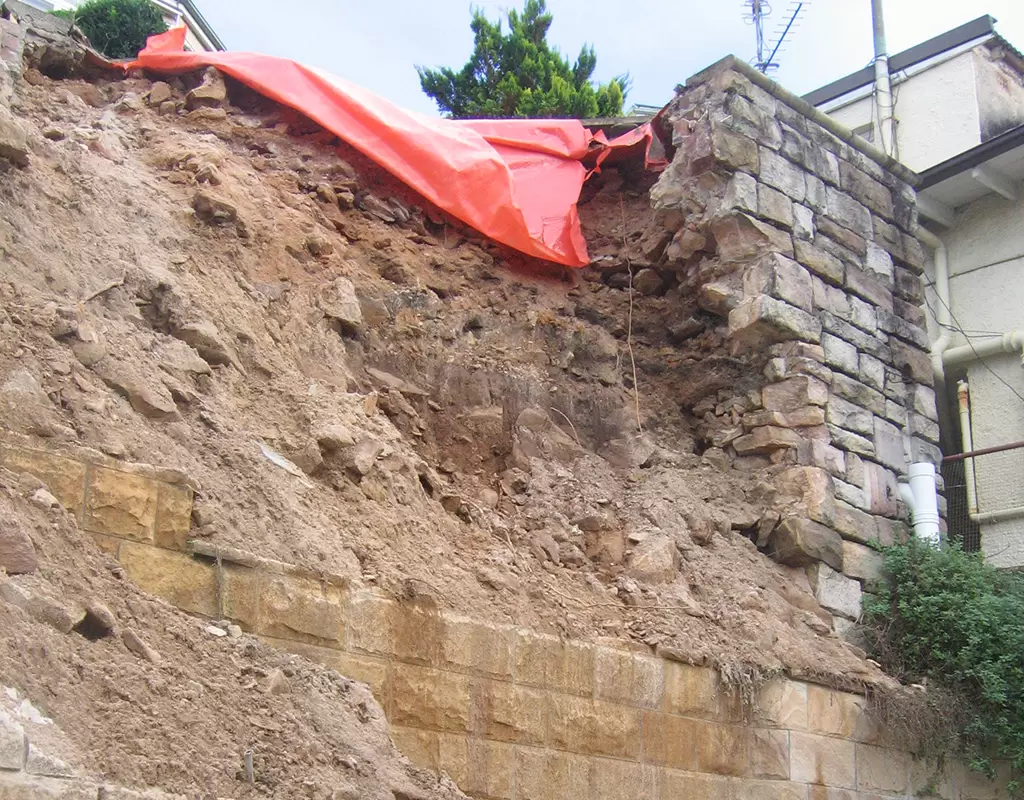
A retaining wall is one of the most important structural elements in a landscape. It holds back soil, prevents erosion, creates usable yard space, and adds architectural beauty. But when retaining walls fail — leaning, bowing, cracking, or collapsing — the damage can be severe and expensive.

At Vicente Outdoor Living, we build retaining walls that last because we understand the engineering behind them. Before starting your project, here’s what homeowners need to know about why retaining walls fail and how to avoid the most common mistakes.

1. Poor Drainage Is the #1 Cause of Retaining Wall Failure

Retaining walls don’t fail because of the wall itself — they fail because of the pressure behind them.

Without proper drainage, water causes:

  • soil expansion
  • hydrostatic pressure
  • wall bowing
  • cracking
  • collapse

Water must have a way to escape.

2. No Drainage Pipe Behind the Wall

A perforated drainage pipe is essential for most retaining walls.

The pipe:

  • collects water
  • channels it away safely
  • reduces pressure
  • prevents washout

Skipping this step guarantees problems.

3. Insufficient Gravel Backfill

Some contractors use dirt instead of gravel behind the wall — a huge mistake.

Gravel backfill allows:

  • proper drainage
  • reduced soil pressure
  • better compaction
  • structural stability

Dirt holds water, increases weight, and destabilizes the wall.

4. Using the Wrong Base Material

Every strong retaining wall starts with a strong base.

A proper base includes:

  • compacted road base
  • leveling sand
  • correct thickness
  • mechanical compaction

A weak base leads to leaning and shifting.

5. Walls Built Too Short or Too Tall for the Soil Load

Different soil types exert different pressure.

A wall must be engineered based on:

  • soil type
  • slope
  • moisture content
  • weight load behind the wall

Improper sizing is a common cause of failure.

6. No Geogrid Reinforcement in Taller Walls

Walls over a certain height require reinforcement.

Geogrid helps:

  • tie the wall into the soil
  • prevent bulging
  • increase stability
  • distribute pressure

Without geogrid, gravity walls can't withstand heavy loads.

7. Incorrect Wall Batter (Backward Lean)

A retaining wall should lean slightly into the soil it supports.

This backward slope:

  • improves stability
  • reduces forward pressure
  • prevents tipping

Walls built perfectly vertical often fail early.

8. Using the Wrong Block or Boulder Type

Not all materials are meant for retaining walls.

Common issues include:

  • decorative blocks used structurally
  • small stones supporting large loads
  • mismatched system components

The right material makes all the difference.

9. Failing to Compact Soil Between Lift Layers

If soil is added behind the wall without compaction, it settles unevenly.

Leads to:

  • voids
  • shifting
  • cracking
  • wall movement

Proper compaction is essential.

10. Building Too Close to the Property Line Without Engineering

Walls near boundaries may require:

  • engineering approval
  • permitting
  • additional reinforcement

Skipping this can create legal and structural issues.

11. No Weep Holes in Certain Wall Designs

Some walls benefit from weep holes for added drainage.

Weep holes allow:

  • excess water release
  • reduced pressure buildup
  • long-term stability

They prevent water from becoming trapped.

12. DIY Installations Often Miss Critical Structural Steps

Retaining walls are not simple weekend projects.

DIY mistakes include:

  • inadequate base
  • poor leveling
  • missing drainage systems
  • incorrect block stacking
  • improper backfill

These issues lead to premature failure.

How To Prevent Retaining Wall Failure

The best retaining walls include:

  • proper engineering
  • strong geogrid reinforcement
  • effective drainage systems
  • high-quality materials
  • experienced construction

A well-built wall can last decades without shifting.

Signs Your Retaining Wall Needs Attention

Call a professional if you notice:

  • leaning
  • bulging
  • cracking
  • sinking blocks
  • water pooling
  • soil washing out
  • separation between sections

Early intervention saves money.

Ready To Build a Retaining Wall That Lasts for Decades?

Tell us your project goals, and we’ll design a wall that stays strong, safe, and beautiful.