



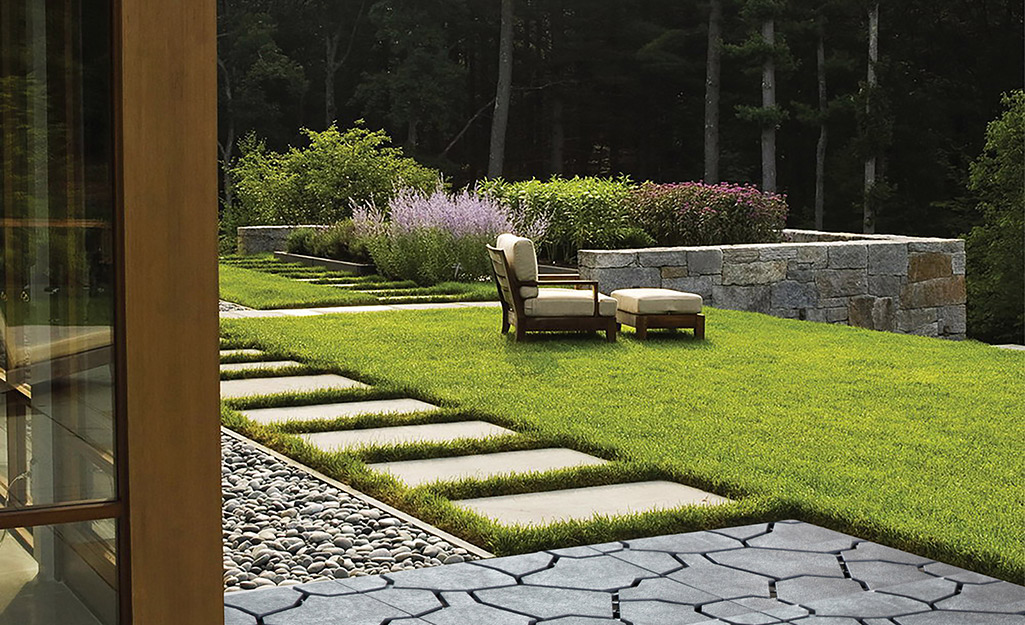
Walkways are one of the most important (and most underestimated) features in any outdoor space. They guide movement, connect different areas of your yard, and set the tone for your landscape design. But one factor that homeowners often overlook is walkway width.
A walkway that’s too narrow feels cramped and uncomfortable, while one that’s too wide may look out of proportion. Choosing the right width — based on use, location, and design — makes a huge difference in how your outdoor space feels and functions.
At Vicente Outdoor Living, we design walkways that balance beauty, safety, and practicality. Here’s why walkway width matters so much and how to choose the perfect size for your yard.
A walkway should feel easy and comfortable to walk on — not something you have to squeeze through.
A too-tight walkway disrupts the flow of your whole yard.
A comfortable walkway is one that allows natural movement without restriction.
Guests and family can move easily through the space.
This width is ideal for most walkways leading to:
At three to four feet, the walkway feels generous without overwhelming the space.
Garden paths can have a more casual or intimate feel, but still need usability.
2 to 3 feet
This allows comfortable movement while maintaining a charming garden aesthetic.
If your walkway will be used by many people — especially during gatherings — it needs extra width.
4 to 5 feet wide
This improves safety and flow for busy outdoor spaces.
Driveway walkways see more use and must accommodate:
4 feet or more
A wider walkway near the driveway adds both function and curb appeal.
These paths set the tone for the patio or outdoor kitchen.
3.5 to 5 feet
Wider walkways create a sense of arrival and connection.
Pool areas require careful planning.
5 feet or more
This prevents crowding and reduces slip hazards.
Curved walkways look stunning but can feel tight if they’re too narrow.
At least 3.5 feet wide
This ensures ease of movement along the bends.
Certain materials visually expand or shrink the walkway.
Width should complement the aesthetic.
Lighting doesn’t physically widen the walkway — but it changes how it feels.
Lighting adds visibility and elegance.
A walkway should look beautiful and function seamlessly.
This ensures walkways are practical, safe, and visually pleasing.

Tell us your goals, and we’ll create a custom walkway design that fits your space and enhances your entire yard.


