
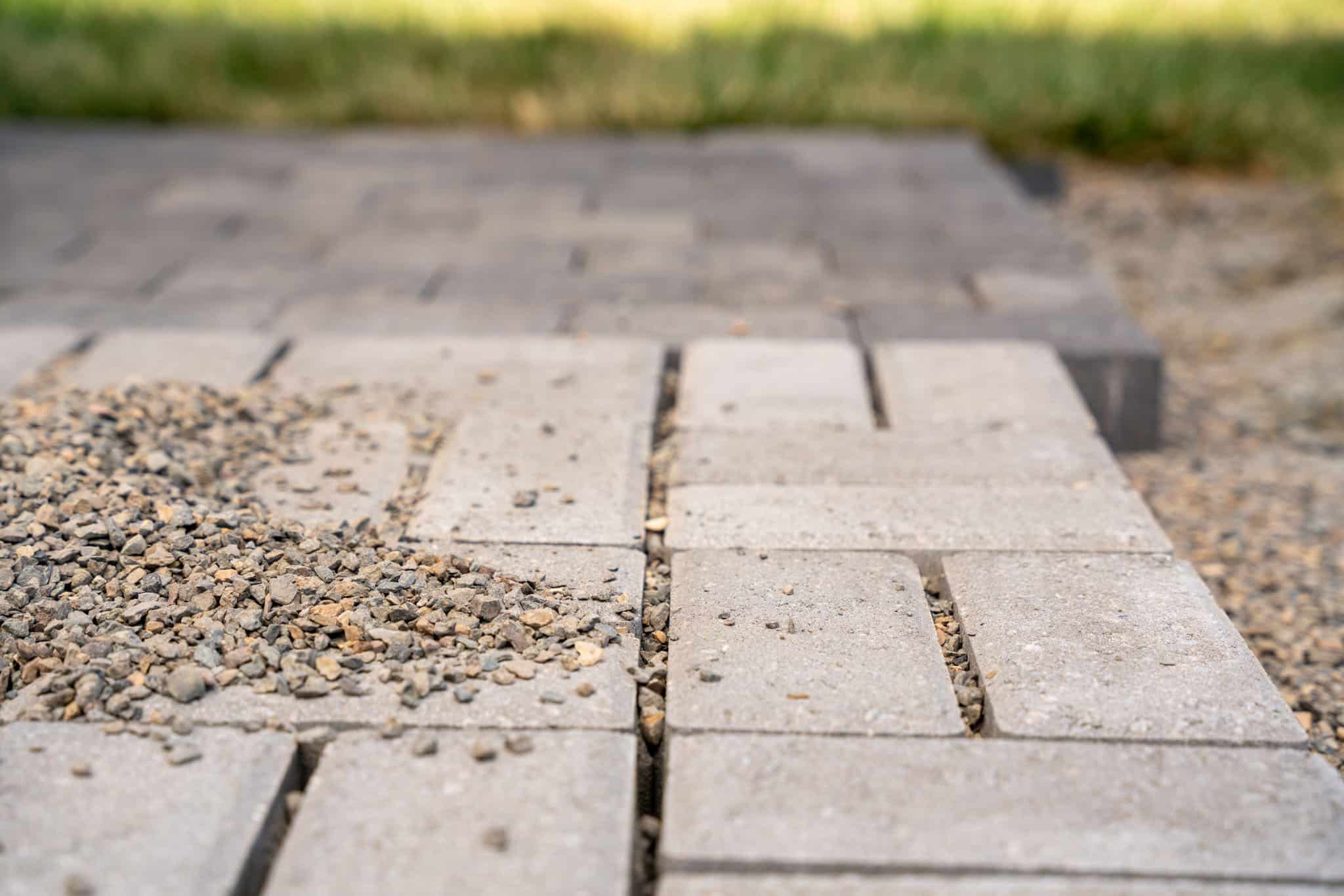
When homeowners think about paver patios, walkways, or driveways, they usually focus on color, shape, or pattern. But the one part most people overlook — the joints between the pavers — is one of the most important factors in long-term performance. The wrong joint material can lead to weeds, shifting, ants, stains, and drainage issues, while the right material keeps your pavers strong and beautiful for years.

At Vicente Outdoor Living, we install paver systems built for durability from the base up — and that includes choosing the right joint material. If you’ve ever wondered what really holds your pavers together, here’s what you need to know.

1. Paver Joints Keep Your Entire Patio or Walkway Stable

Joints do more than fill gaps — they create structure.

Good joint material:

  • locks pavers into place
  • prevents shifting
  • improves weight distribution
  • reduces long-term movement

Without proper joint stabilization, pavers loosen over time.

2. The Wrong Joint Material Leads to Weed Growth

If you’ve ever seen weeds sprouting between pavers, the issue isn’t the pavers — it’s the joint material.

Poor joint fill can cause:

  • weed seeds settling in gaps
  • soil blowing into the joints
  • open spaces that collect organic debris

Choosing the right material significantly reduces weed growth.

3. Joint Material Affects Drainage and Water Flow

Pavers are designed to drain water between the joints.

Good joint material helps:

  • prevent pooling
  • reduce erosion
  • maintain even surfaces
  • protect the base beneath the pavers

Poor drainage leads to sinking or shifting areas.

4. Ants Love Weak or Loose Joint Material

Loose sand creates the perfect home for ants.

The result:

  • sand displacement
  • small tunnels under the pavers
  • sinking spots
  • constant maintenance

Quality joint material eliminates nesting spaces.

5. Polymeric Sand: The Most Popular Modern Solution

Polymeric sand is the top choice for most paver installations.

Benefits include:

  • hardens when activated with water
  • prevents weed growth
  • resists erosion
  • locks pavers tightly
  • stays in place long term

It offers the best combination of stability and ease of maintenance.

6. Regular Sand: Budget-Friendly, but High-Maintenance

Some older systems or DIY installations use regular sand.

Regular sand issues include:

  • easy erosion
  • weeds and grass growth
  • ant activity
  • frequent topping off
  • poor stability

While inexpensive, it often leads to more long-term problems.

7. Enviro-Joint or Permeable Joint Materials

For permeable paver systems, special joint aggregates are used.

These materials:

  • allow high water flow
  • reduce runoff
  • improve drainage
  • work well with eco-friendly designs

They’re ideal for driveways or areas with strict drainage requirements.

8. The Right Joint Material Prevents Paver Shifting During Freeze-Thaw Cycles

Even in moderate climates, freeze-thaw cycles occur.

Good joint fill:

  • keeps pavers tight
  • allows minor movement without cracking
  • prevents water from settling in gaps

This extends the life of the installation.

9. Joint Material Impacts the Look of Your Paver Surface

Yes — the joint material actually affects the overall appearance.

Factors include:

  • color
  • texture
  • width of joints

Polymeric sand comes in multiple colors to match or complement the pavers.

10. Joint Stabilization Makes Maintenance Easier

A well-installed paver system should be low maintenance.

The right joint sand prevents:

  • constant sweeping
  • refilling gaps
  • dealing with loose debris
  • annual re-application

It keeps your pavers looking clean longer.

11. The Width of Your Paver Joints Matters

Joint width varies depending on paver design.

Narrow joints:

  • require fine polymeric sand
  • create smooth, modern lines

Wider joints:

  • need coarser materials
  • create a more rustic look

Choosing the right sand type ensures a perfect fit.

12. Professional Installation Ensures Joint Material Works Correctly

Even the best joint material fails if installed incorrectly.

Professionals ensure:

  • proper compaction
  • correct paver spacing
  • clean joints before installation
  • correct activation of polymeric sand
  • proper drainage beneath the surface

This prevents long-term failures and costly repairs.

Why Paver Joints Deserve More Attention

Strong, well-sealed joints provide:

  • better longevity
  • improved stability
  • lower maintenance
  • better drainage
  • cleaner appearance

They might be small, but they make a massive difference.

Ready To Build a Paver Installation That Looks Great and Lasts for Years?

Tell us your goals, and we’ll design a paver system with the right joint materials for durability, stability, and long-term value.